November 28, 2026
The 2027 Legal Marketing Outlook: Closing the Reputation Gap
Wolf&Whale explores the future of law firm branding, AI discoverability, digital experience and marketing strategy for litigation firms in 2027.
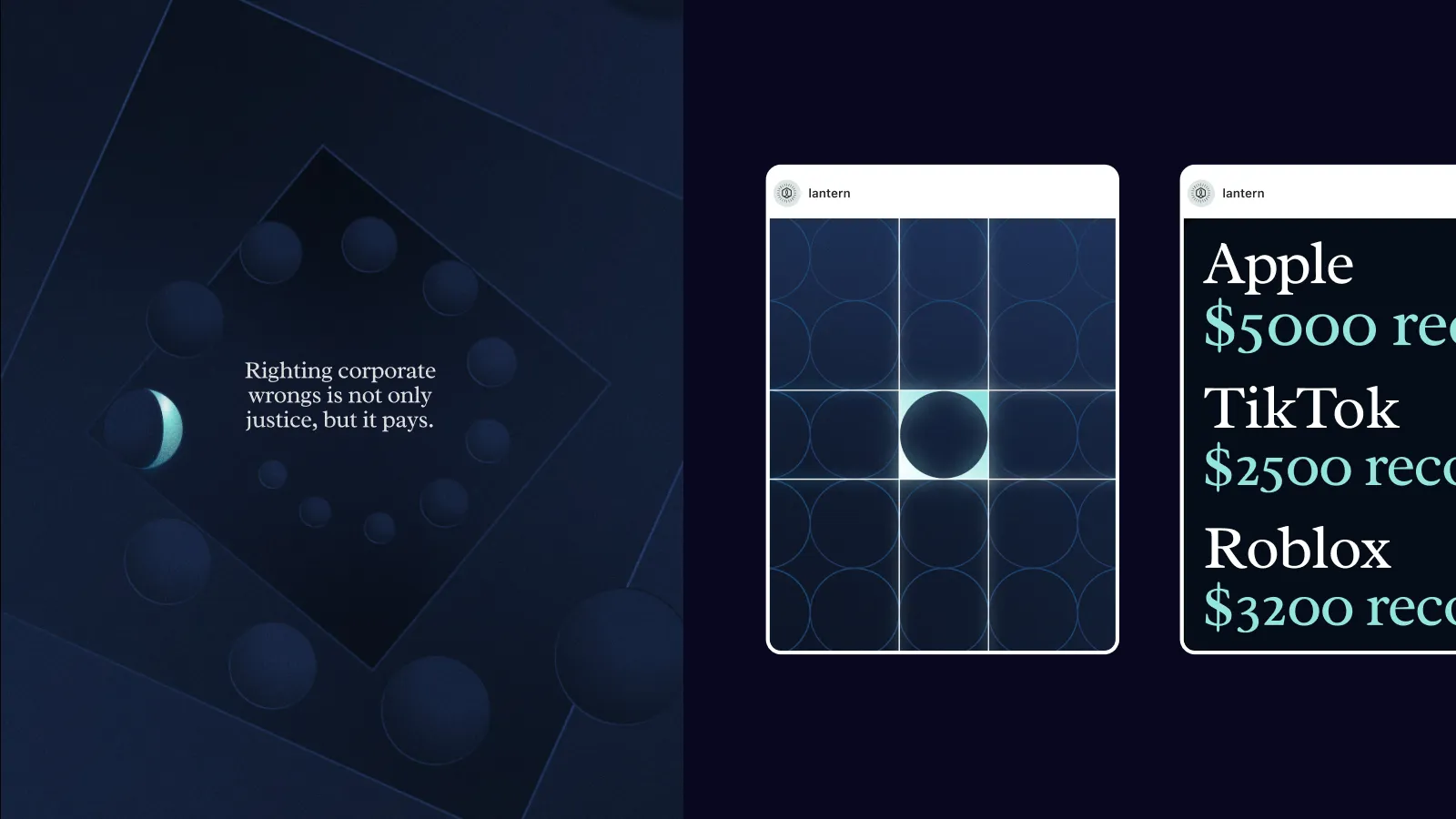
Some of the most accomplished law firms in the country are also some of the hardest to distinguish from one another.
They have secured landmark verdicts, challenged powerful institutions and built teams of exceptional attorneys over decades. Yet when you visit their websites, much of what makes them remarkable gets lost behind familiar language and predictable design.
There's a gap between the reputation these firms have earned and the reputation they communicate.
For litigation firms, this is becoming increasingly important. The ways people discover legal representation are changing, competition for qualified clients and exceptional talent is growing, and new technologies are creating opportunities for firms to expand beyond their traditional business models.
As legal marketing leaders establish their priorities for 2027, we see several opportunities worth exploring.

Finding a more ownable position
Visit a handful of leading litigation firm websites and you'll likely encounter some variation of the same language: relentless advocacy, exceptional results and an unwavering commitment to justice.
None of it is necessarily untrue. It's just remarkably difficult to remember who said it.
A securities litigation firm might have a sophisticated approach to identifying corporate misconduct. A consumer protection firm might be particularly effective at recognizing emerging patterns of harm. A mass tort firm might have developed an exceptional infrastructure for managing complex litigation at scale.
These are interesting, meaningful distinctions that often receive surprisingly little attention in how firms present themselves.
Part of the challenge is that law firms tend to describe themselves through their capabilities and accomplishments rather than their perspective. Prospective clients learn what a firm has done, but not necessarily how it thinks or why its approach is different.
Before investing in a new identity, website or marketing campaign, we encourage firms to consider a more fundamental question: What should the market know us for that it doesn't already?
A clear answer can influence nearly every subsequent marketing decision.

The next client may never search for your firm
Consider someone who suspects they've experienced a serious side effect from a medication. They may not know what mass tort litigation is, whether a lawsuit exists or even whether they have a legal issue.
Increasingly, their first conversation might be with an AI assistant.
Clio's 2025 Legal Trends Report found that 28% of consumers who used AI for legal questions were encouraged to contact a lawyer. Research from Pew Research Center also found that people were less likely to visit websites when presented with an AI-generated search summary.
For law firms, this changes where the client journey begins.
Historically, marketing teams could focus much of their digital acquisition strategy on capturing people already looking for legal representation. There is now a growing opportunity to become a trusted source of information earlier in that journey.
For mass tort and class action firms, that could mean developing more accessible resources around emerging litigation. For securities and antitrust practices, it might mean making specialized research, case histories and attorney perspectives more discoverable.
The quality, clarity and credibility of that information will matter. Publishing hundreds of generic articles generated by AI is unlikely to build the same authority as thoughtful content informed by people who genuinely understand the subject.
In 2027, the relationship between brand strategy, content, SEO and AI discoverability will become increasingly difficult to separate.
When a law firm website becomes a digital product
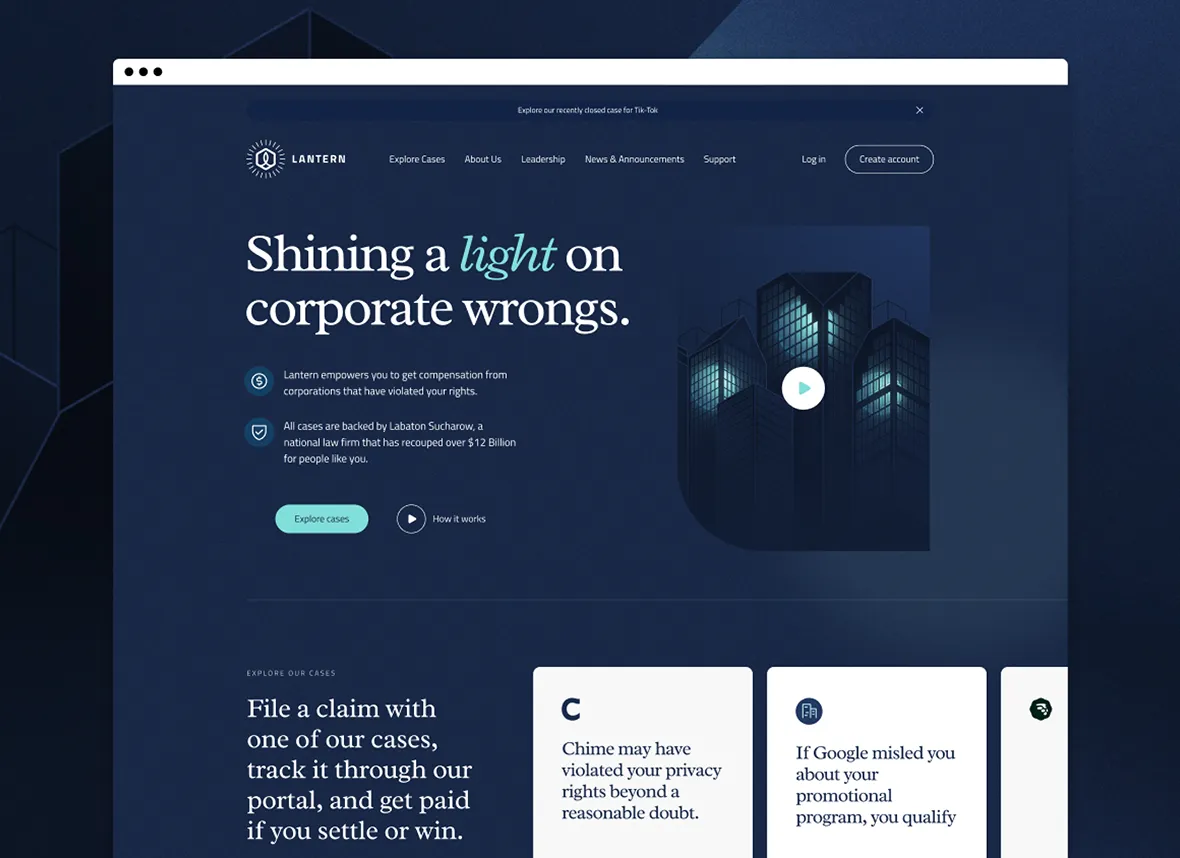
There's an interesting distinction between designing a website for a law firm and designing a digital experience for the people it represents.
The former typically begins with the firm's practice areas, attorneys and accomplishments. The latter begins with what someone is trying to understand or accomplish when they arrive.
For certain litigation practices, that difference is significant.
A consumer protection firm has an opportunity to help people recognize issues they didn't realize had legal implications. A mass tort firm can help prospective claimants understand potential eligibility and the litigation process. A securities litigation firm can create resources that help investors navigate developments affecting their holdings.
These experiences have more in common with well-designed technology products than traditional corporate websites.
And yet, even the fundamentals remain an opportunity. In Clio's 2024 research on client intake, only 30% of prospective clients could easily understand the process of hiring a firm from its website.
This is where disciplines like UX/UI design, information architecture and product strategy become particularly relevant to legal marketing.
Rather than simply improving the appearance of a website, firms can reconsider how effectively their digital experiences educate, establish trust and guide people toward appropriate next steps.
For firms investing heavily in client acquisition, improving what happens after someone arrives may be as valuable as attracting more people in the first place.
A growing firm doesn't always need one brand
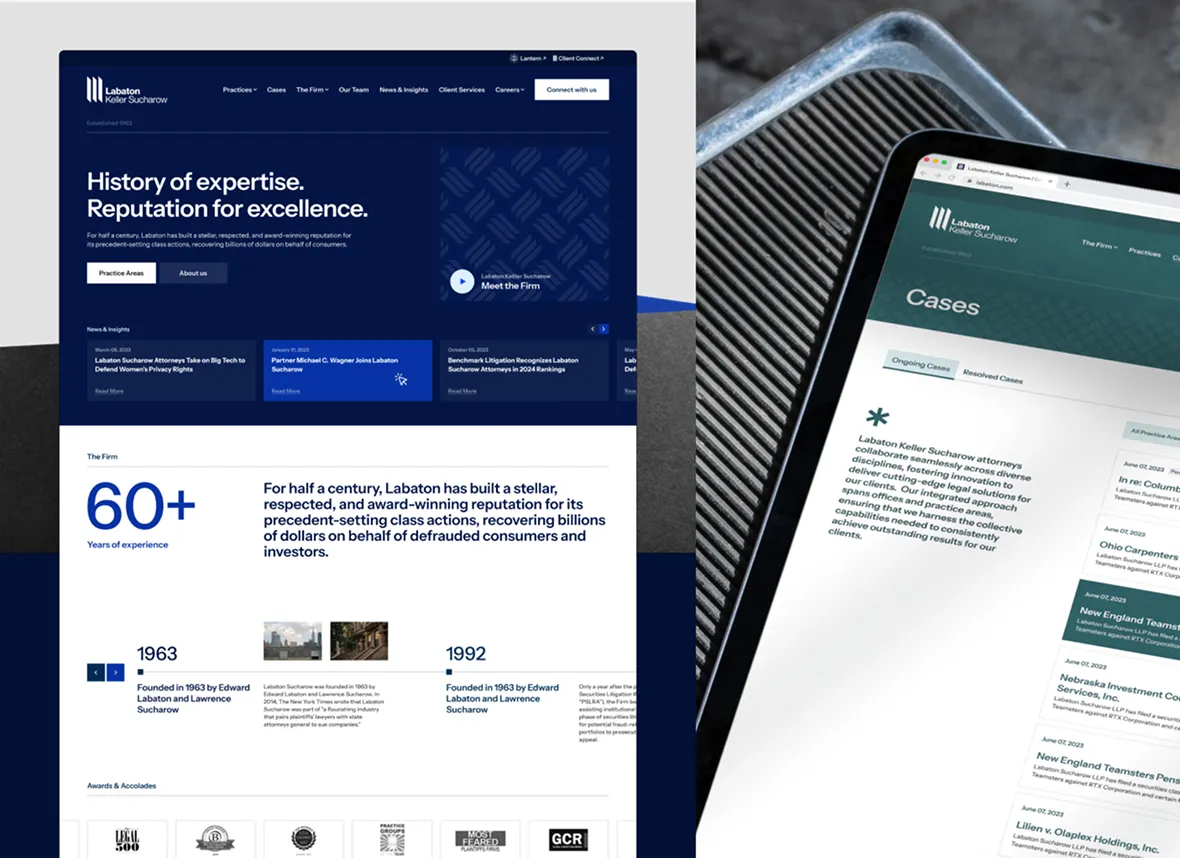
As litigation firms diversify, an increasingly interesting challenge is deciding how their brands should evolve alongside their businesses.
Consider an established securities litigation firm looking to launch a consumer protection platform. Its existing identity may communicate sophistication and credibility to institutional investors, but those same qualities might feel intimidating or inaccessible to an everyday consumer.
Should the new platform carry the firm's name? Should it have a distinct identity? How closely should the two experiences resemble one another?
These questions become even more relevant as firms explore technology products, specialized digital platforms and new business ventures.
We think about these opportunities through three potential relationships with the parent brand:
- Core practices that benefit directly from the firm's established reputation.
- Market-facing brands that need their own personality while maintaining a recognizable relationship with the firm.
- Independent ventures that require greater flexibility and separation to reach new audiences or pursue different business models.
The objective is to create enough consistency to benefit from the reputation a firm has built, while allowing enough distinction for new initiatives to succeed on their own terms.
For marketing leaders, establishing this framework before the next major initiative launches can prevent years of fragmented design decisions, duplicated resources and unnecessary complexity.
Brand architecture becomes a way of planning for the future of the business.
Rethinking what marketing success looks like
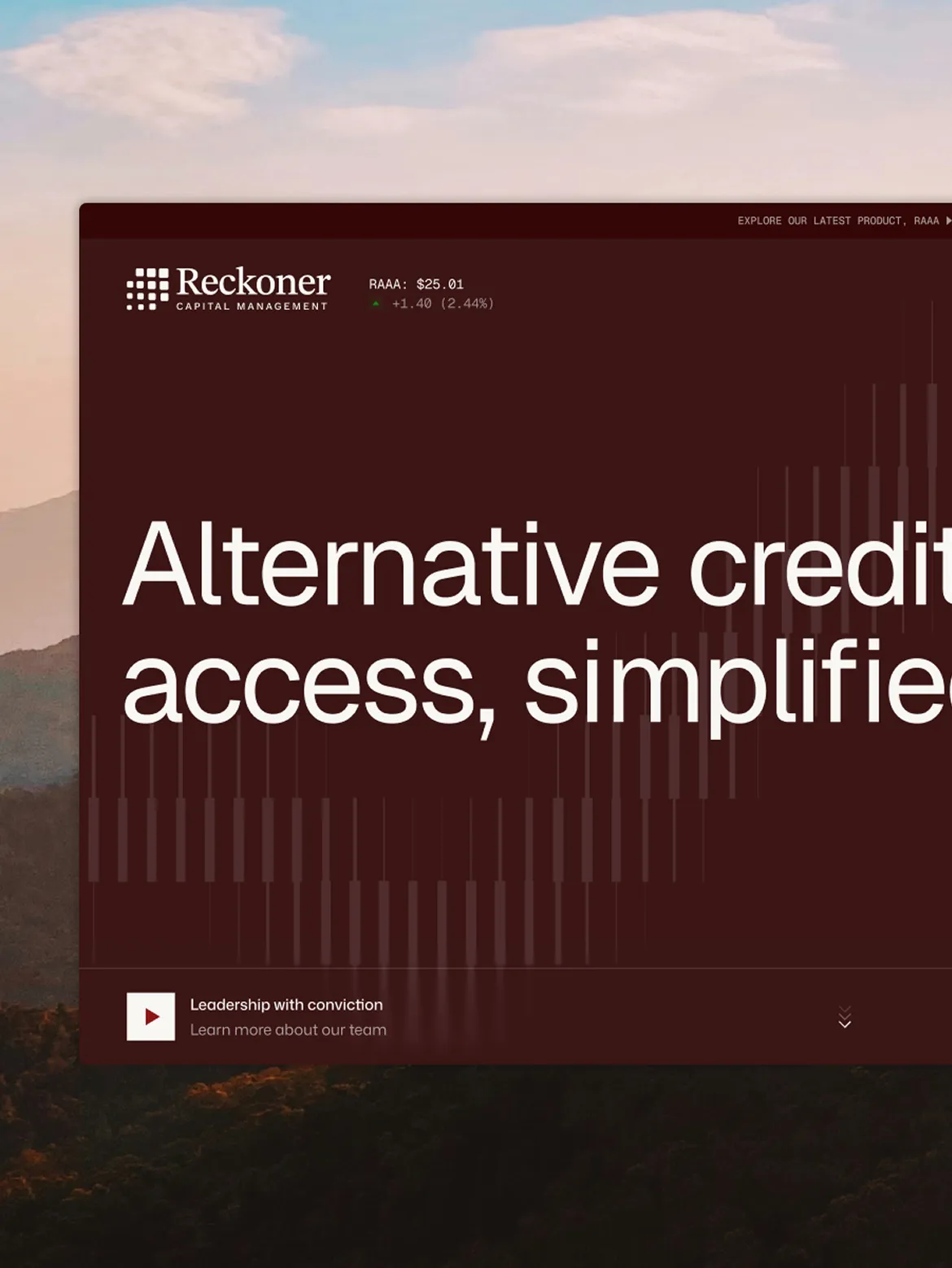
A challenge for legal marketing teams is that some of their most valuable contributions are also the hardest to measure.
A refreshed brand might influence an exceptional attorney's decision to join the firm. A well-designed case study might help secure an institutional relationship. A clearer digital intake experience might improve the quality of prospective clients without increasing overall website traffic.
None of these outcomes can be fully understood through conventional marketing dashboards.
The metrics that matter also vary considerably across litigation practices.
For mass tort and personal injury firms, generating more inquiries is valuable only if those inquiries translate into relevant potential cases and signed engagements. For complex commercial litigation and securities practices, the depth of a firm's referral relationships and institutional reputation may matter considerably more than the volume of website visitors.
For firms developing consumer-facing platforms, success might be measured through adoption, engagement and the ability to build direct relationships with new audiences.
As marketing leaders establish their investment priorities for 2027, there's an opportunity to connect brand and digital initiatives more directly to the economics and long-term ambitions of their particular firm.
It also gives marketing a more meaningful role in conversations about the future of the business.

Looking ahead
The legal industry has always been built on reputation. What is changing is how that reputation reaches people.
A prospective client might first encounter a firm through an AI-generated answer. An institutional investor might evaluate its expertise through a digital resource. A talented attorney might form an impression of its culture and ambitions long before speaking to a recruiter.
Each of these experiences contributes to how the firm is understood.
For legal marketing leaders, the opportunity in 2027 is to bring greater intention to those experiences and ensure they reflect the quality of the work happening inside the firm.
The firms that do this well won't necessarily be the ones spending the most on marketing or adopting every new technology. They'll be the ones that understand what makes them valuable and find compelling ways to communicate it.
For many firms, the reputation is already there. The opportunity is to make more of it.
Wolf&Whale is an independent branding and digital design agency working at the intersection of brand strategy, digital experience and business growth. We partner with litigation, mass tort, class action, securities, consumer protection and other ambitious law firms to build brands and digital experiences that reflect the sophistication of their work.
Recent Ideas
November 13, 2026
How AI Is Changing Law Firm Branding and Website Design
AI is changing how people research legal issues and find representation. Here's what that means for law firm branding, website design, and client trust.
October 28, 2026
The Next Competitive Advantage in Architecture, Engineering & Hospitality
Explore how branding, digital experience, and storytelling are helping architecture, engineering, construction, and hospitality firms stand apart in 2026.










Let's make it matter
Tell us what you're working on and what you hope to achieve. We'll take it from there and be in touch within two business days.
Trusted by 120+ Clients since 2018.
Message received
Thanks for reaching out. We’ll review the details and get back to you within two business days.