November 13, 2026
How AI Is Changing Law Firm Branding and Website Design
AI is changing how people research legal issues and find representation. Here's what that means for law firm branding, website design, and client trust.
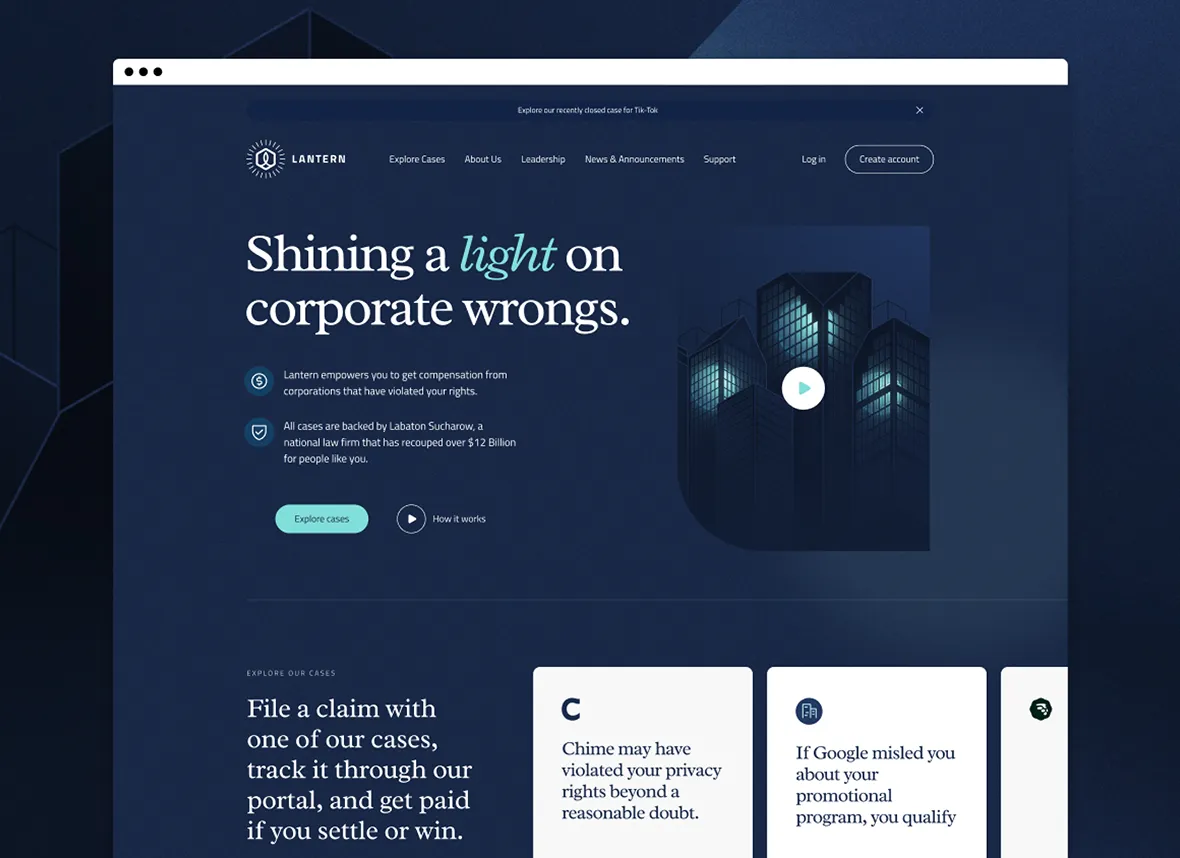
The Changing First Impression of a Law Firm
Imagine someone who believes they've been wrongfully terminated. A few years ago, they might have searched Google, opened several law firm websites, and tried to make sense of their options. Today, they might start by describing what happened to ChatGPT.
Within seconds, they have an explanation of employment law, a list of possible claims, and suggestions for what to do next. Some of it may be useful. Some may be wrong. But the experience has already changed how they approach finding a lawyer.
By the time they visit a law firm's website, they're no longer starting from zero. They have questions, assumptions, and perhaps a sense of what kind of representation they need.
For law firms, this raises an interesting question: If people are getting their first legal answers somewhere else, what should a law firm's website actually do?
A Different Kind of First Impression
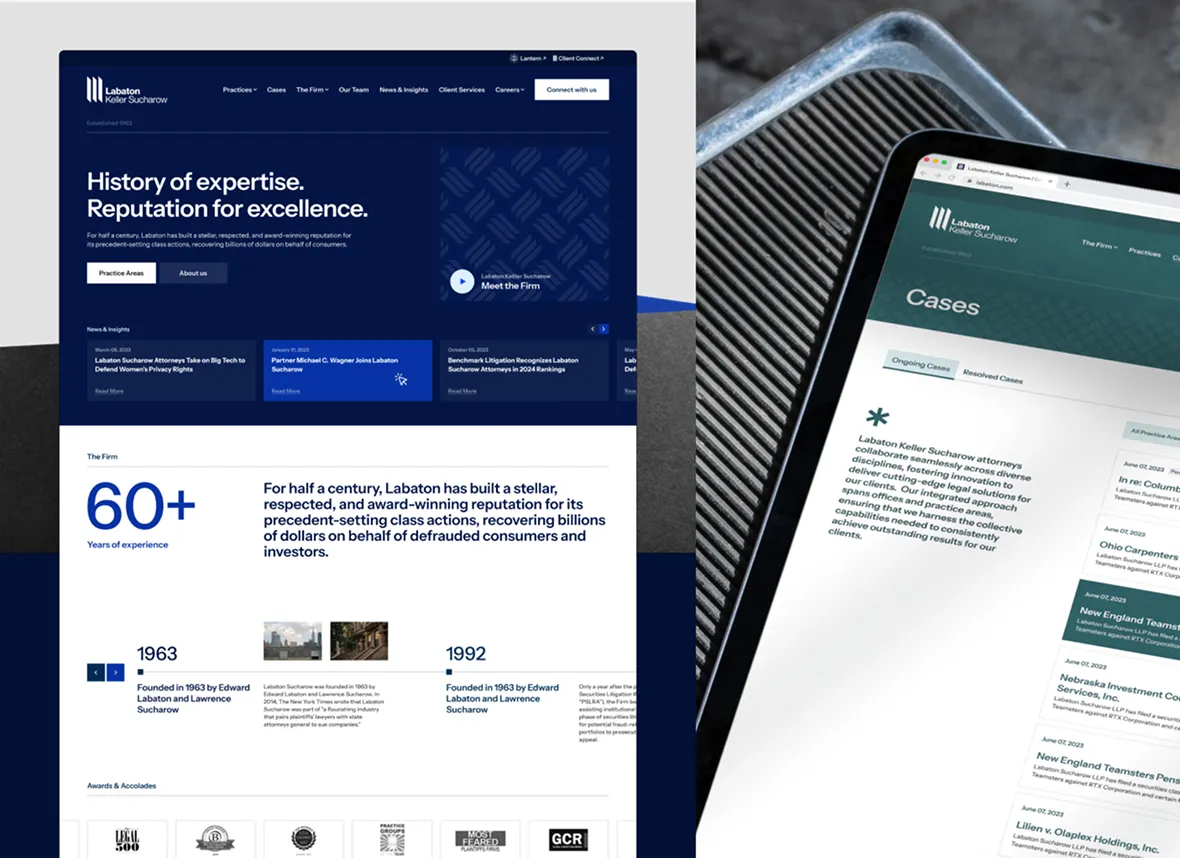
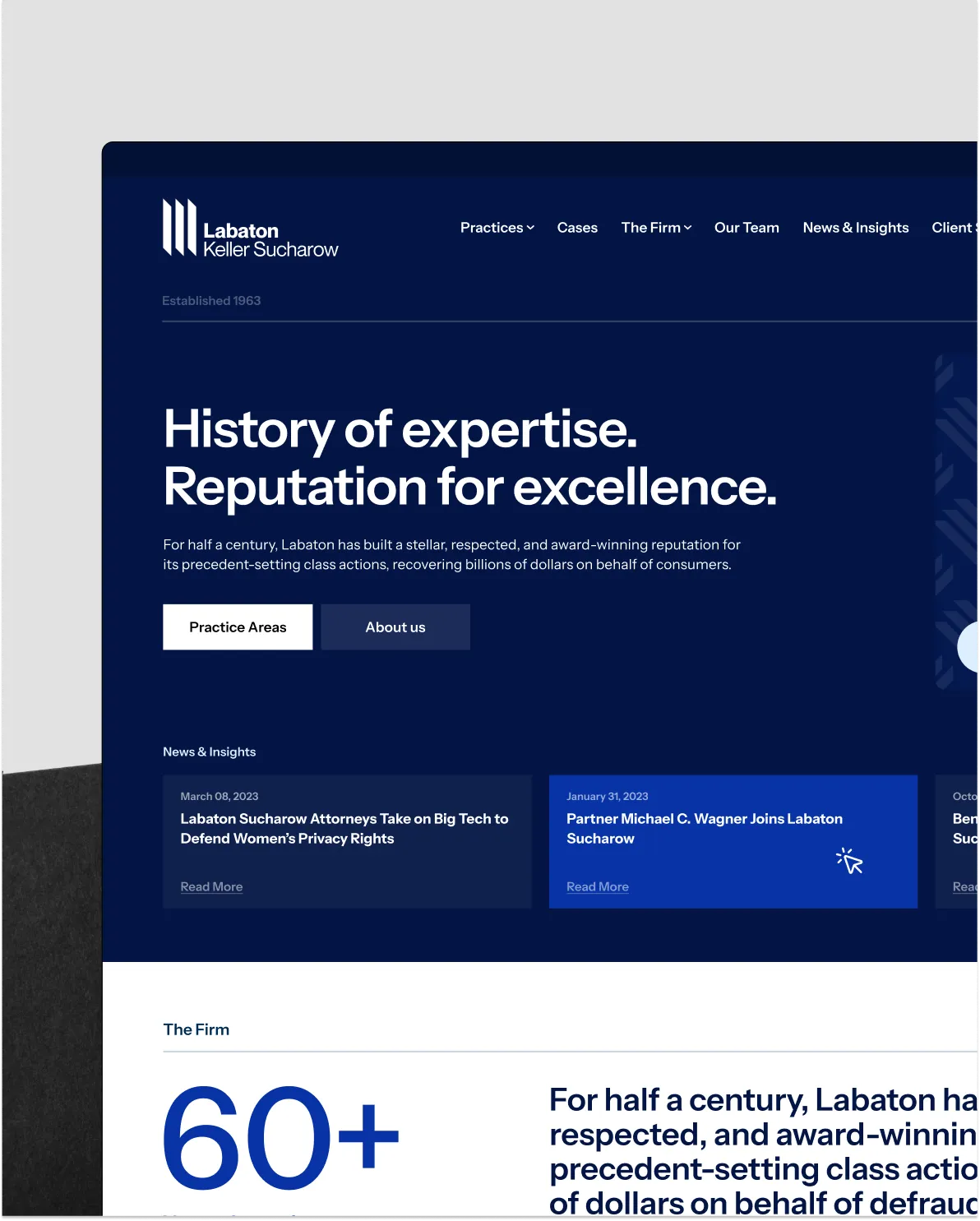
For a long time, law firm websites have followed a predictable formula. A large photograph of the partners, a statement about the firm's experience, a directory of practice areas, and a collection of notable results.
There's nothing inherently wrong with that approach. People want to know they're dealing with qualified professionals, particularly when the stakes are high.
But the way people evaluate that information is changing.
Someone who's already spent twenty minutes asking AI about a potential lawsuit may not need another general explanation of employment law. They want to understand whether this particular firm handles their situation, what makes its attorneys qualified, and what happens if they reach out.
That's a different communication challenge.
It means the website has to do more than establish credentials. It needs to help someone move from a general understanding of their problem to confidence in a particular firm.
And that requires a more thoughtful approach to the information, language, and experience presented.
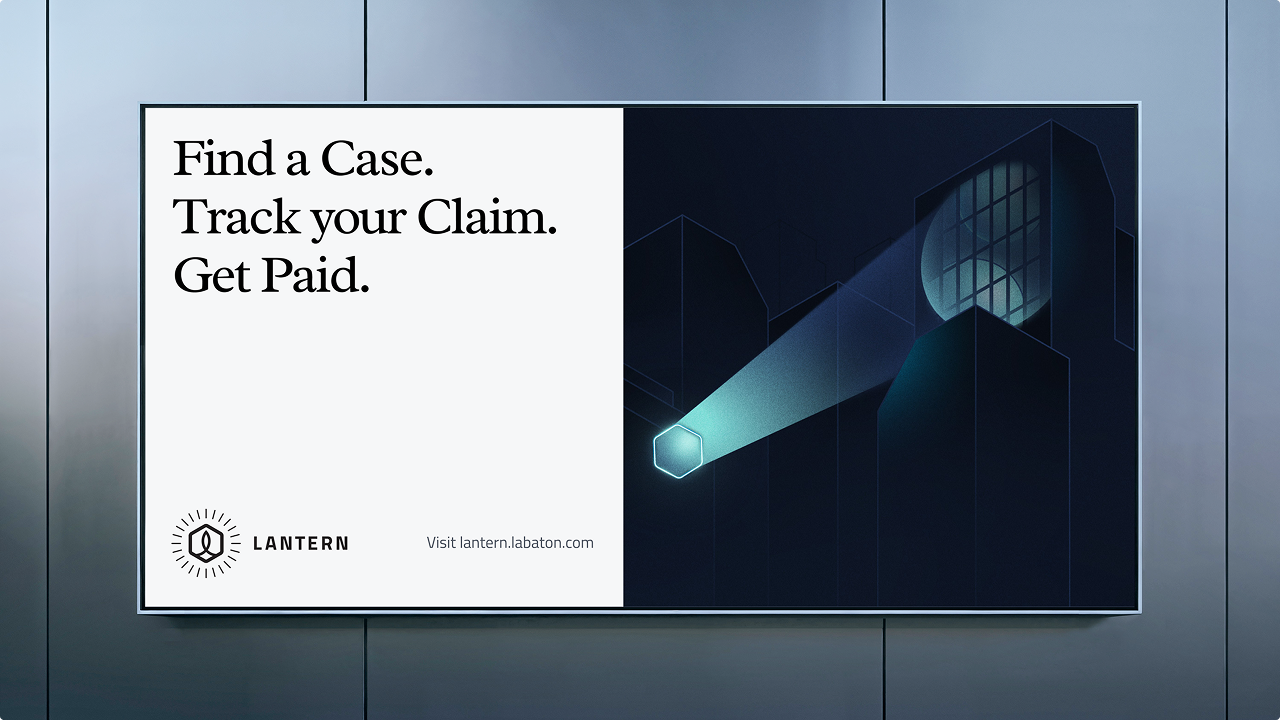
What This Means for Law Firms
I don't think every law firm needs an AI chatbot or an entirely new digital platform.
The more immediate opportunity is to reconsider the experience people have when they encounter the firm.
If prospective clients are increasingly arriving with information gathered elsewhere, websites should be better at helping them evaluate that information in context.
That could mean organizing content around the situations people face rather than relying exclusively on practice-area terminology. It might mean explaining what happens during an initial consultation, making attorney expertise easier to evaluate, or creating distinct experiences for different audiences.
It also means thinking more carefully about the firm's brand.
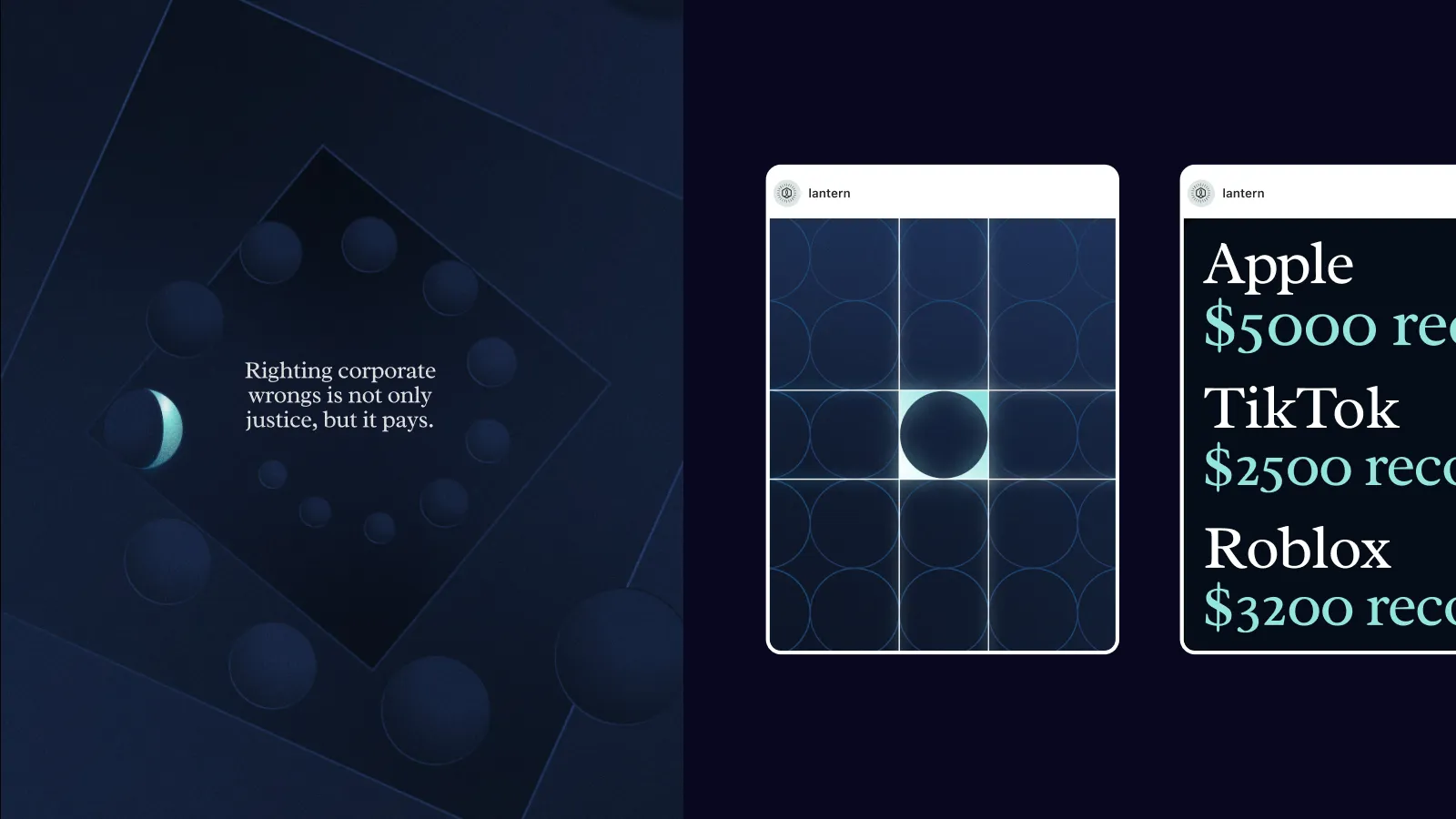
What does it stand for beyond a record of successful cases? How does it approach its work? Why might one type of client choose it over another equally qualified firm?
These have always been important questions. AI simply makes the need for clear answers more apparent.
A firm can't control every explanation a prospective client encounters before visiting its website. But it can control how well its own experience communicates its expertise and earns that person's confidence.
As legal information becomes easier to access, the value of qualified judgment doesn't disappear.
The opportunity for law firms is to make that difference easier to understand.
Recent Ideas
October 28, 2026
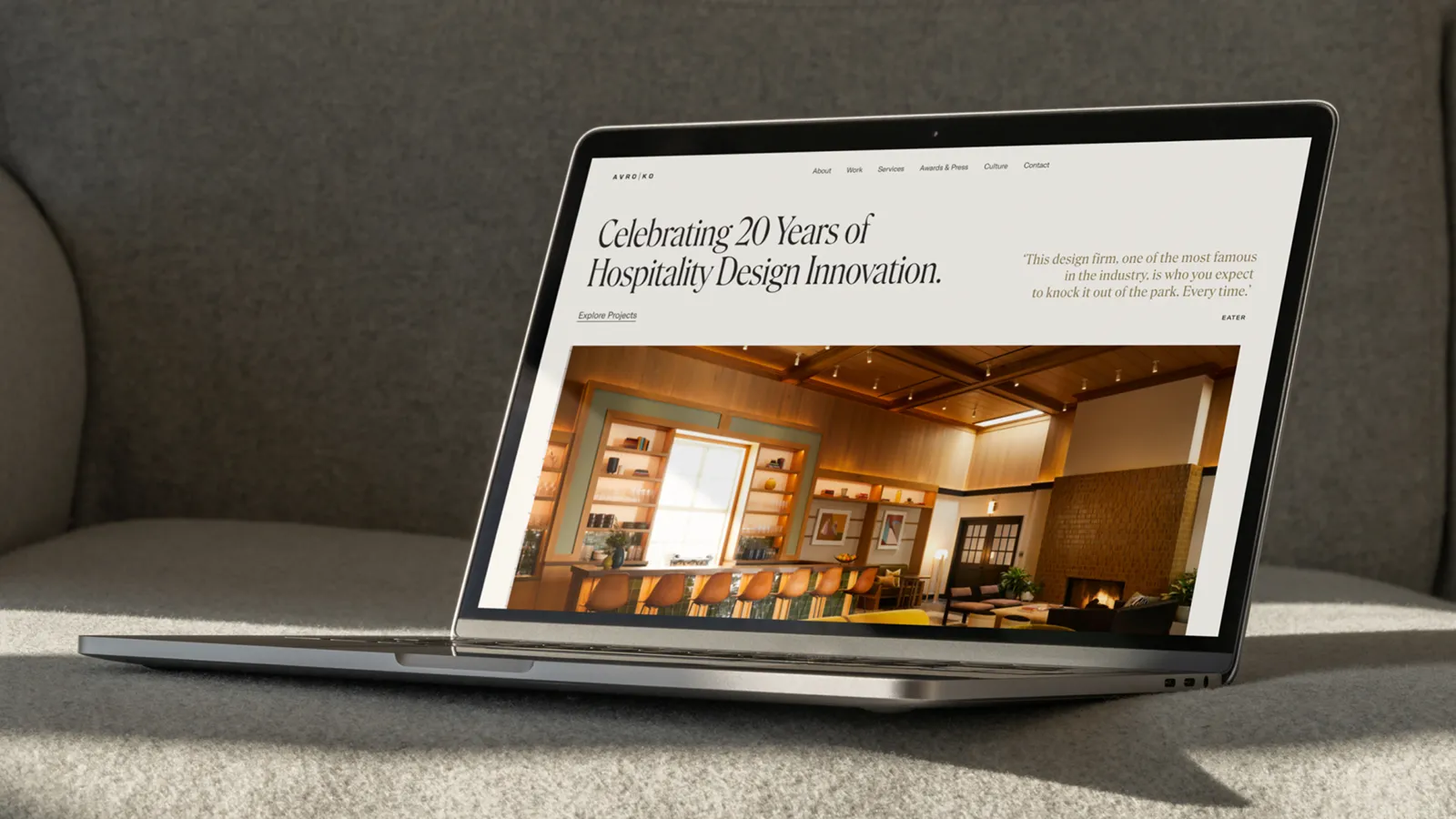
The Next Competitive Advantage in Architecture, Engineering & Hospitality
Explore how branding, digital experience, and storytelling are helping architecture, engineering, construction, and hospitality firms stand apart in 2026.
October 26, 2026
Law Firm Branding and Digital Experience Trends
Law firm branding is evolving as AI changes how clients find and evaluate legal services. Explore why differentiation, trust, and digital experience matter.





Let's make it matter
Tell us what you're working on and what you hope to achieve. We'll take it from there and be in touch within two business days.
Trusted by 120+ Clients since 2018.
Message received
Thanks for reaching out. We’ll review the details and get back to you within two business days.