October 28, 2026
The Next Competitive Advantage in Architecture, Engineering & Hospitality
Explore how branding, digital experience, and storytelling are helping architecture, engineering, construction, and hospitality firms stand apart in 2026.
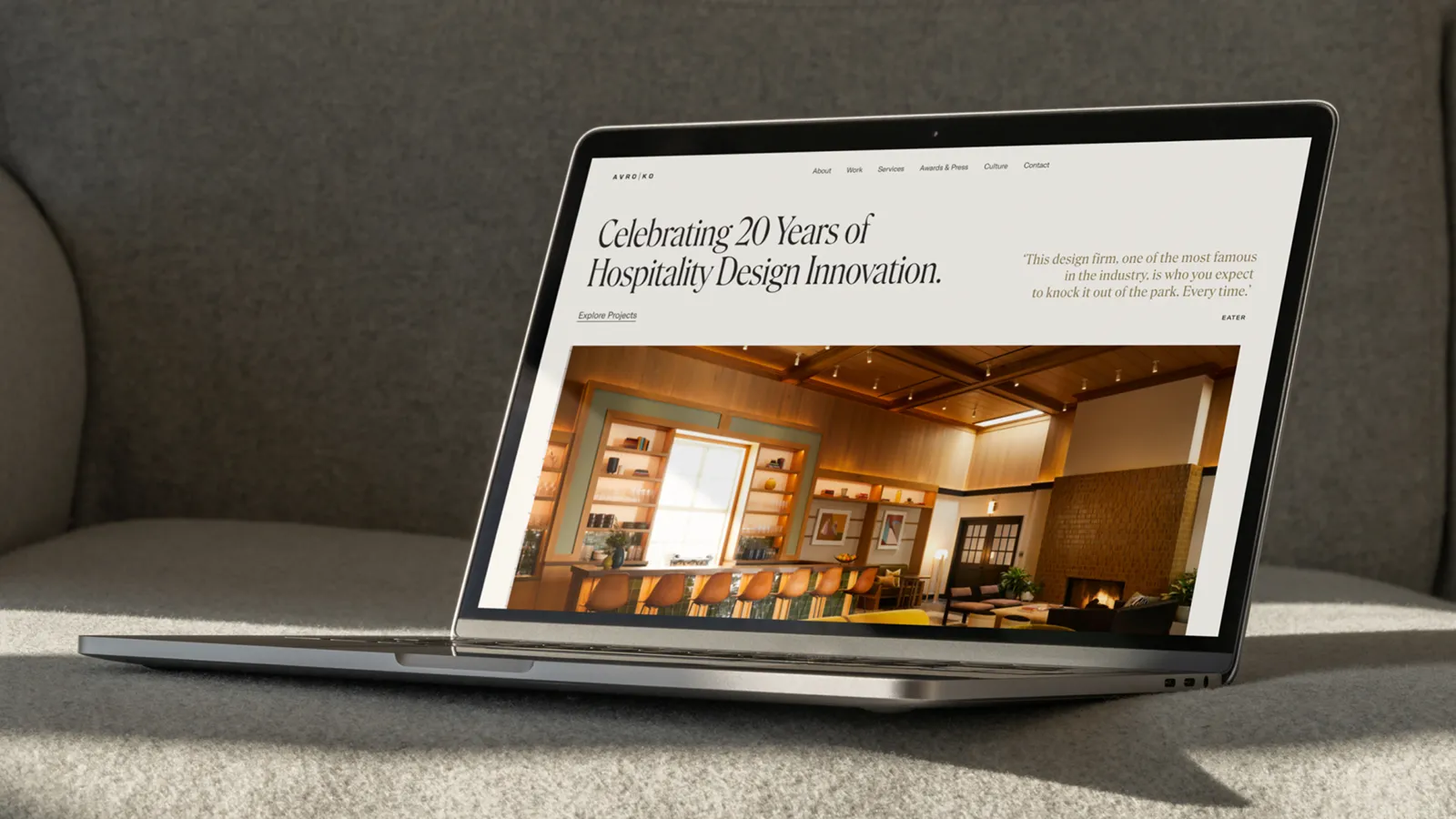
The Next Competitive Advantage in Architecture, Engineering & Hospitality
In industries built on physical experiences, the digital world has become an essential part of how expertise is discovered, understood, and valued. Architecture, engineering, construction, and hospitality share something fundamental: their work shapes how people experience the world.
These industries create environments, solve complex challenges, and influence the way we live, work, and connect.
Yet while their physical work often demonstrates remarkable sophistication, their brands and digital experiences don't always communicate that same level of thinking. As competition intensifies and technology changes how clients discover and evaluate partners, the opportunity to differentiate has never been more important.
An Industry at a Turning Point
The architecture, engineering, and construction (AEC) sector is navigating a period of significant change.
Deloitte's 2026 Engineering and Construction Industry Outlook identifies rising costs, workforce shortages, digital transformation, and shifting project demand among the industry's defining challenges.
Meanwhile, artificial intelligence, advanced visualization, and increasingly sophisticated digital workflows are reshaping how firms plan, collaborate, and deliver projects.
But as these capabilities become more accessible, technology alone becomes a less meaningful differentiator.
The firms positioned to stand apart will be those that communicate not simply what they build, but what makes their approach valuable.
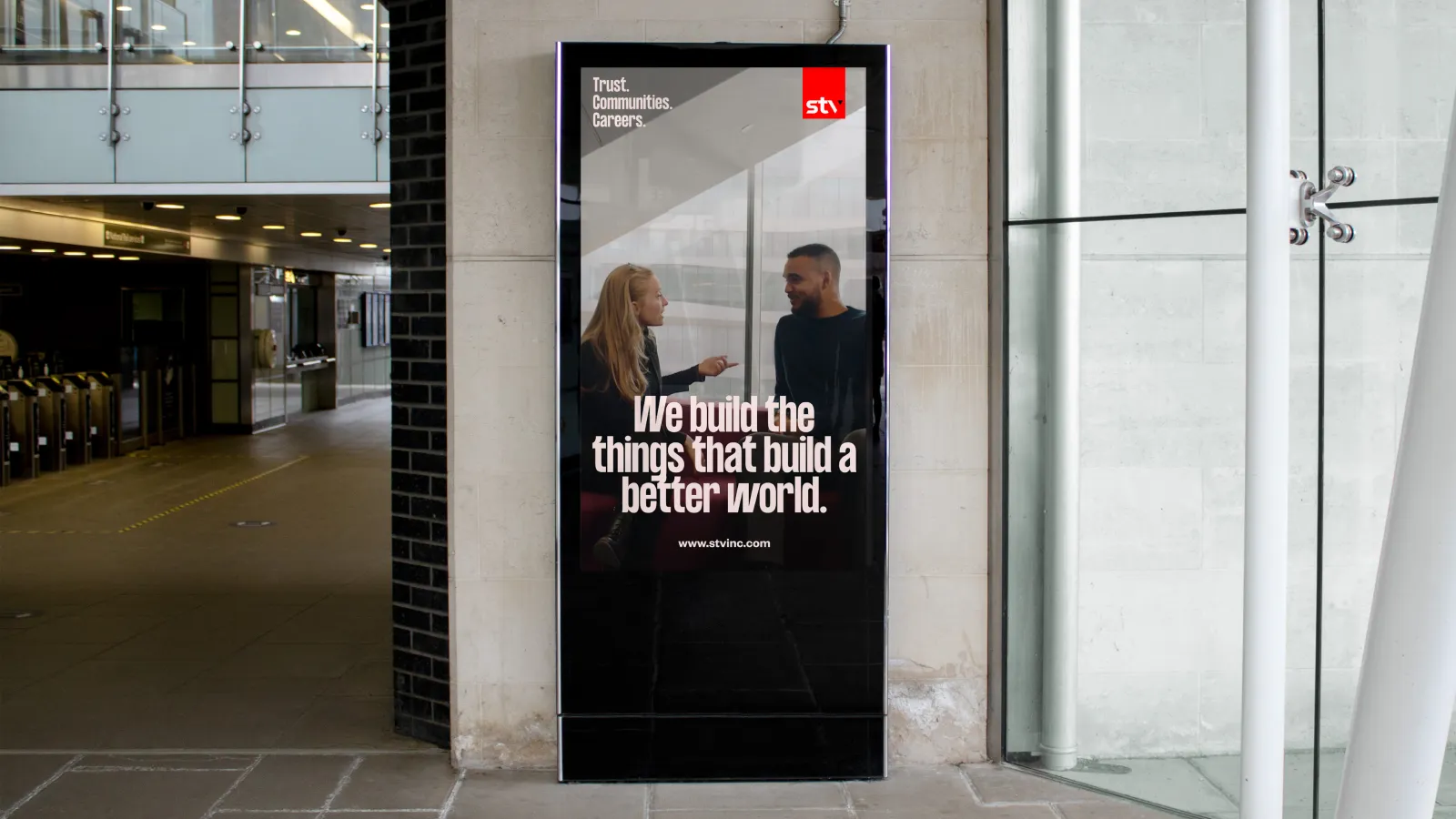
Great Work Doesn't Always Speak for Itself
Architecture and engineering firms often rely on their portfolios to communicate expertise.
Beautiful photography. Ambitious projects. Impressive credentials.
All valuable. But a portfolio doesn't always explain the strategic thinking, collaboration, or problem-solving that made the work possible.
When websites become little more than image galleries, prospective clients are left to interpret the firm's value for themselves.
Effective brand strategy and messaging help bridge that gap.
They connect a firm's philosophy, technical expertise, and competitive advantage to a narrative that prospective clients can understand and remember.
The strongest brands don't simply demonstrate what they've accomplished. They make a compelling case for why their approach matters.
Hospitality Raises the Stakes for Experience
Nowhere is the relationship between brand and experience more tangible than in hospitality.
Hotels, resorts, restaurants, and hospitality design firms create experiences that begin long before someone enters a physical space.
According to SiteMinder's Changing Traveller Report 2026, 26% of surveyed travelers planned to begin hotel research through an online travel agency, compared with 21% through a search engine. The report also found growing interest in premium accommodations and personalized experiences.
Discovery is becoming more fragmented. Expectations are becoming more sophisticated.
For hospitality brands, digital touchpoints must communicate the same care, atmosphere, and distinction as the physical experience.
A website isn't simply a place to showcase a property or portfolio. It's an opportunity to establish an emotional connection, communicate a point of view, and build confidence before the first interaction.
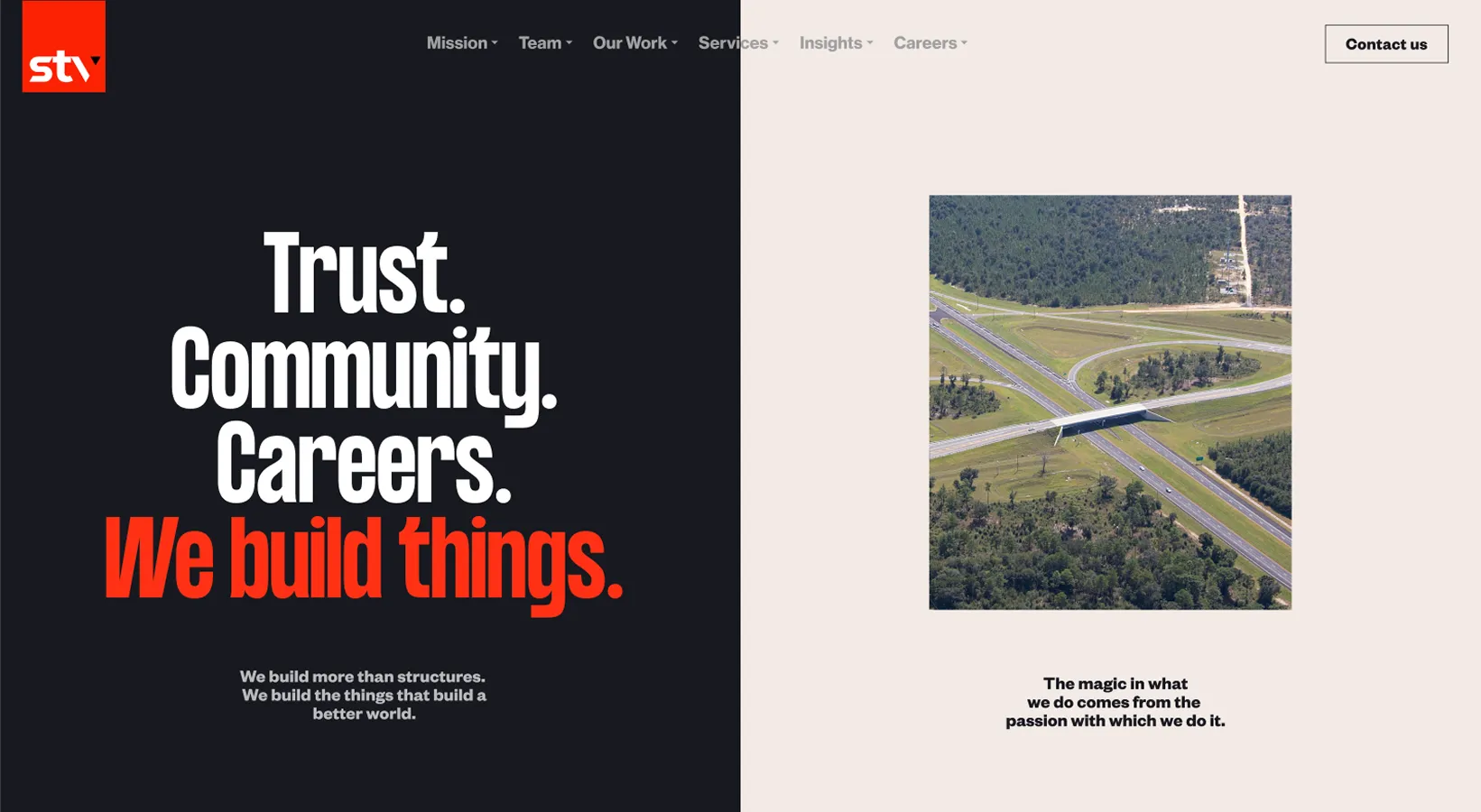
Digital Experience as a Competitive Advantage
For AEC firms, real estate developers, and hospitality organizations, a sophisticated digital presence must balance visual storytelling with functional clarity.
Prospective clients need to understand capabilities, evaluate relevant experience, and distinguish one organization from another.
This requires more than contemporary aesthetics.
Thoughtful website and digital experience design can bring complex project portfolios, technical expertise, and brand narratives together into an intuitive experience.
The result is a digital presence that works as both a compelling expression of the brand and a practical tool for business development.
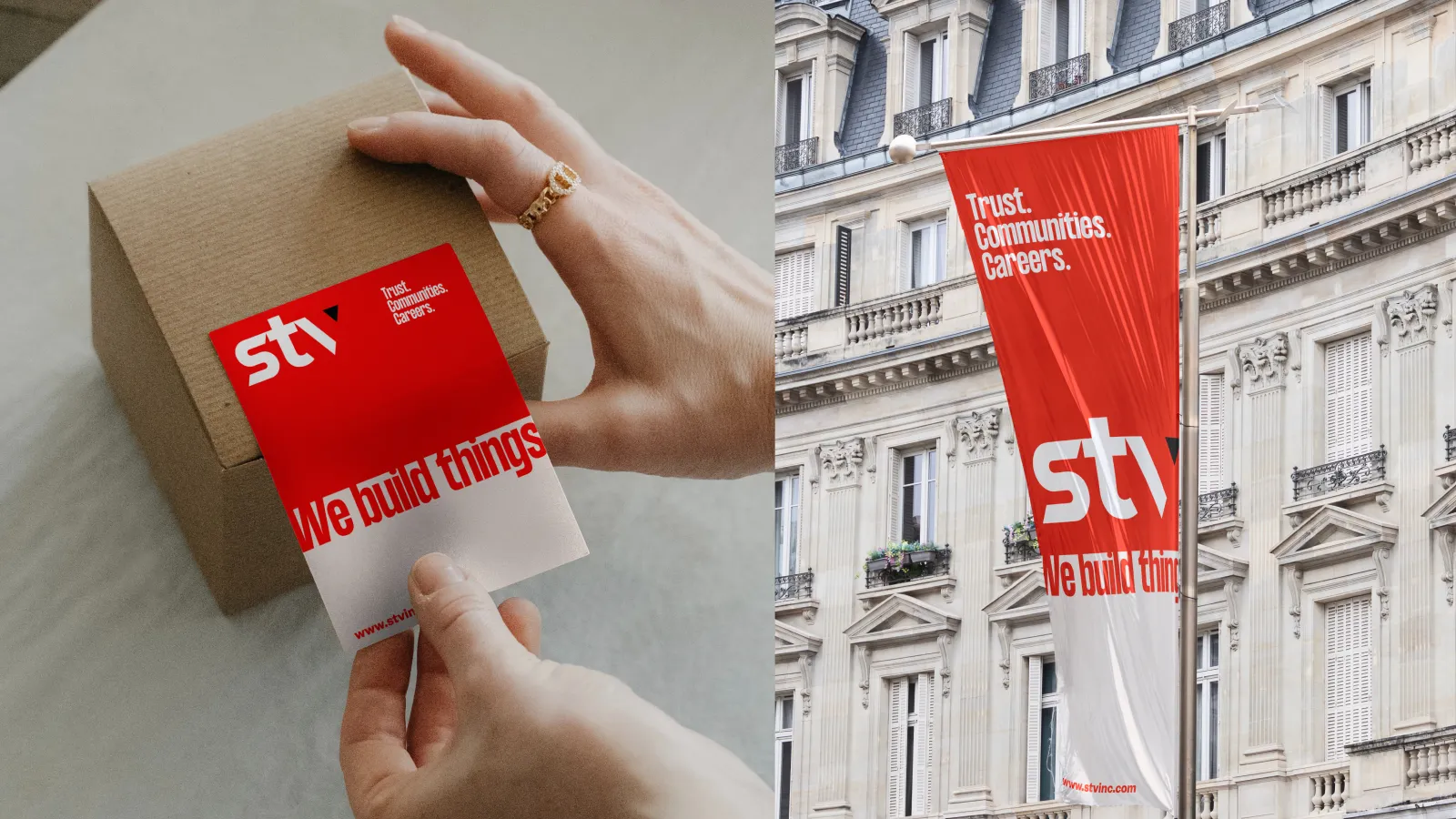
Building a More Distinctive Future
The most successful firms in architecture, engineering, construction, and hospitality will continue to be defined by the quality of their work.
But quality alone isn't always enough to stand apart.
As the industries evolve, brand positioning, storytelling, and digital experience will play a greater role in how organizations establish credibility, attract opportunities, and communicate their value.
At Wolf&Whale, we believe the same consideration that goes into designing exceptional physical experiences should extend to the brands and digital environments that represent them.
Because great work deserves an equally compelling story.
Recent Ideas
October 26, 2026
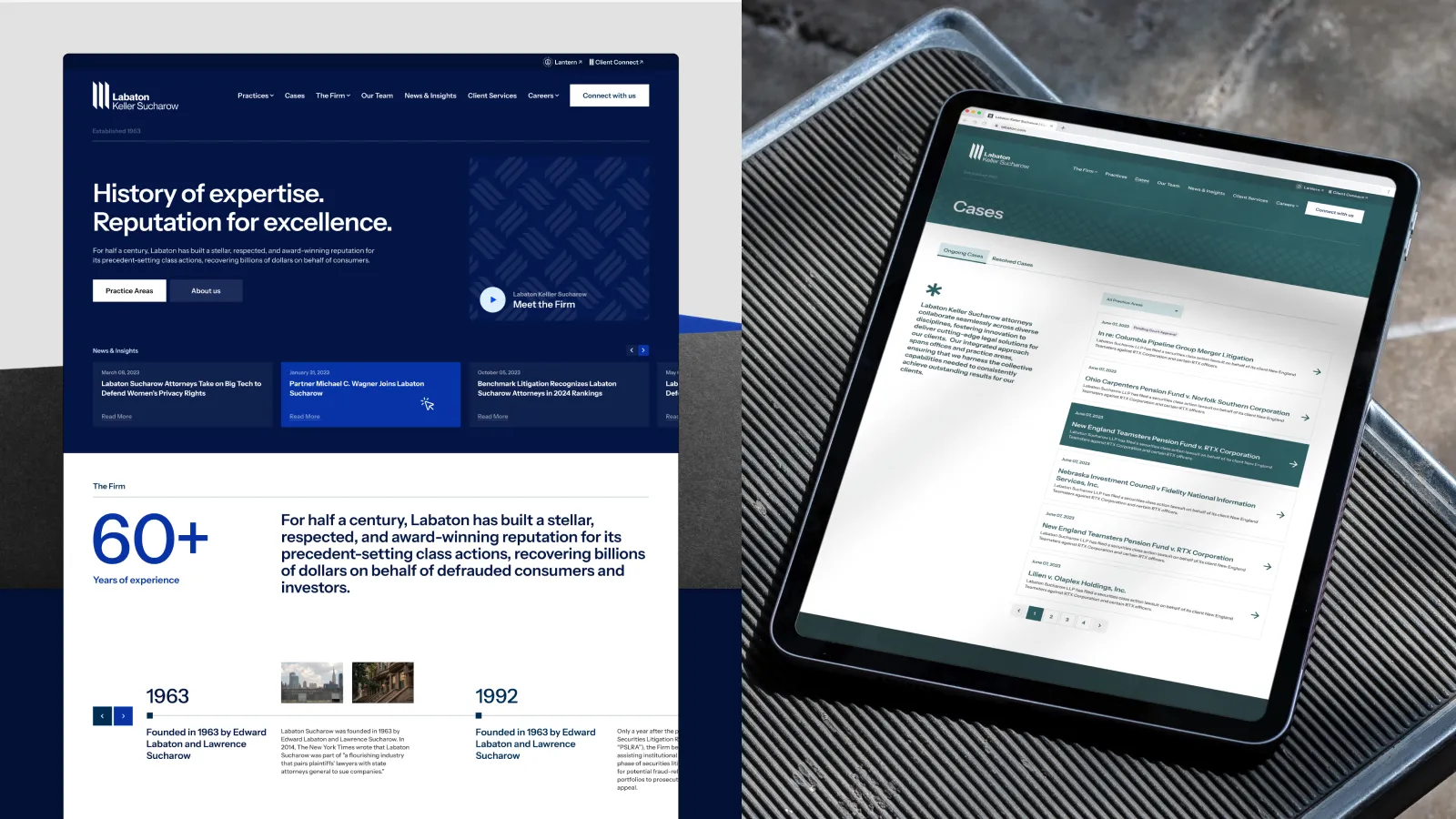
Law Firm Branding and Digital Experience Trends
Law firm branding is evolving as AI changes how clients find and evaluate legal services. Explore why differentiation, trust, and digital experience matter.
October 26, 2026
Brand Differentiation in the Age of AI
As AI transforms branding and digital experiences, discover why strategic differentiation, storytelling, and design matter more than ever.






Let's make it matter
Tell us what you're working on and what you hope to achieve. We'll take it from there and be in touch within two business days.
Trusted by 120+ Clients since 2018.
Message received
Thanks for reaching out. We’ll review the details and get back to you within two business days.