October 25, 2026
Why B2B Websites Fail to Communicate Their Value
Why do so many B2B websites struggle to convert? Explore how clearer positioning, sharper messaging, and better web design turn complexity into competitive advantage.
The problem isn't always the design. It's what the design is trying to say.
Most B2B companies have no shortage of expertise. They offer sophisticated services, solve complex problems, and deliver meaningful value to their clients.
Yet visit their websites, and something gets lost.
The language is broad. The differentiators are buried. The experience explains what the company does without making a compelling case for why anyone should choose it.
This disconnect is more than a communication problem. It's a missed business opportunity.
Complexity Is Not a Competitive Advantage
B2B organizations often operate in industries where products, services, and buying decisions are inherently complicated.
Financial institutions, consultancies, technology providers, and professional services firms face a common challenge: translating specialized expertise into something immediately understandable.
In an effort to sound credible, many resort to familiar language. Innovative solutions. Trusted partnerships. Industry-leading expertise.
The problem isn't that these claims are necessarily wrong. It's that they could describe almost anyone.
When everyone communicates the same value, no one stands apart.
Effective B2B brand positioning begins with identifying what makes a company meaningfully different, who that difference matters to, and why it should influence a buying decision.
Until those questions are answered, even the most sophisticated website design is working without a clear direction.
Your Website Should Make the Business Easier to Understand
A B2B website has a difficult job. It must communicate expertise, establish credibility, explain complex offerings, and move different audiences toward action.
But too many websites organize information around how a company operates internally rather than how its clients make decisions.
They lead with capabilities instead of outcomes. They describe processes before establishing relevance. They ask visitors to navigate complexity instead of resolving it.
Strong brand strategy and messaging reverse that relationship.
The experience should quickly answer four questions:
- What does this company do?
- Who does it help?
- What makes it different?
- Why should I trust it?
Clarity doesn't mean oversimplifying a sophisticated business. It means making its sophistication accessible.
Design Can't Compensate for Unclear Positioning
Beautiful websites can still be ineffective.
Visual sophistication creates a first impression, but meaningful differentiation gives people a reason to stay.
When positioning is unclear, design often becomes a collection of familiar conventions: oversized statements, abstract visuals, and polished interactions that communicate little about the business itself.
The result may feel contemporary without feeling distinctive.
Effective website and digital experience design starts with the business narrative. Information architecture, content hierarchy, visual identity, and interaction design should work together to make that narrative more compelling.
Every design decision should reinforce what the company stands for and help visitors understand the value it delivers.
Trust Is Built Through Evidence
B2B buying decisions often involve significant investment, multiple stakeholders, and long-term commitments.
A compelling promise can attract attention. Evidence creates confidence.
That means moving beyond statements about experience and expertise to demonstrate them through relevant client work, specific outcomes, and thoughtful storytelling.
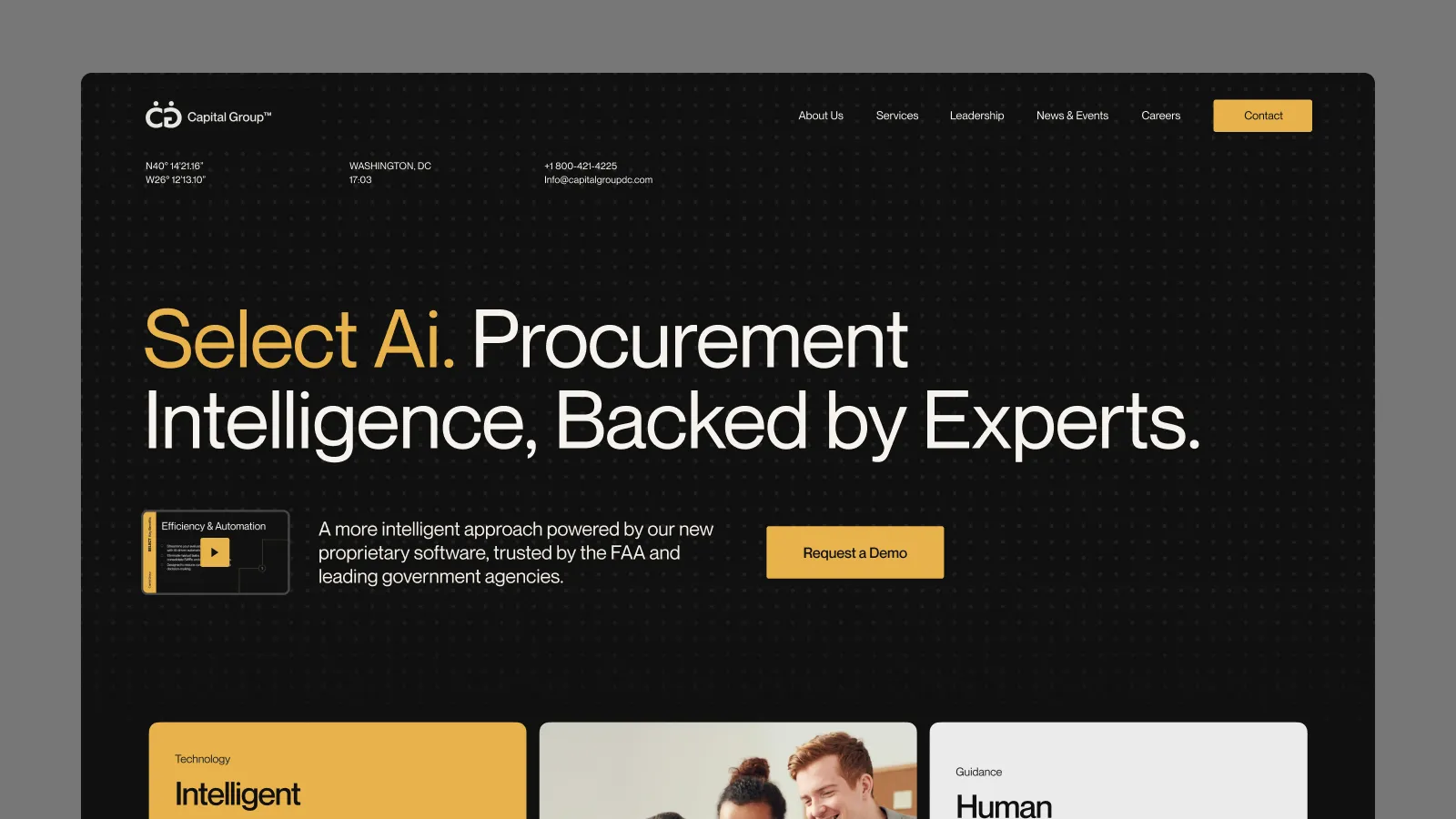
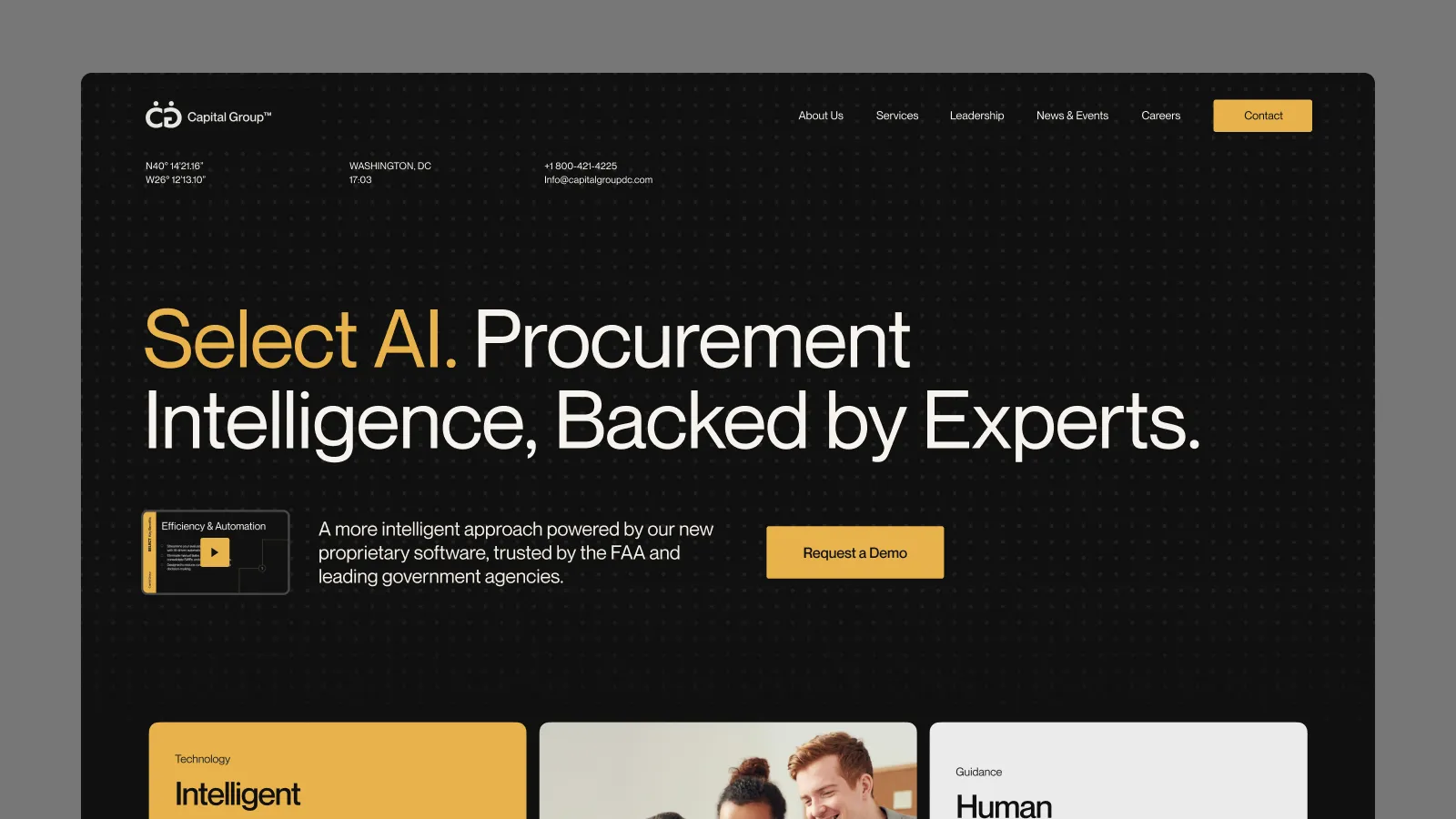
Consider Capital Group, a Washington, D.C.-based government relations and strategic advisory firm. Wolf&Whale helped clarify the firm's messaging, redefine its visual identity, and create a digital experience that more confidently communicated its expertise and capabilities.
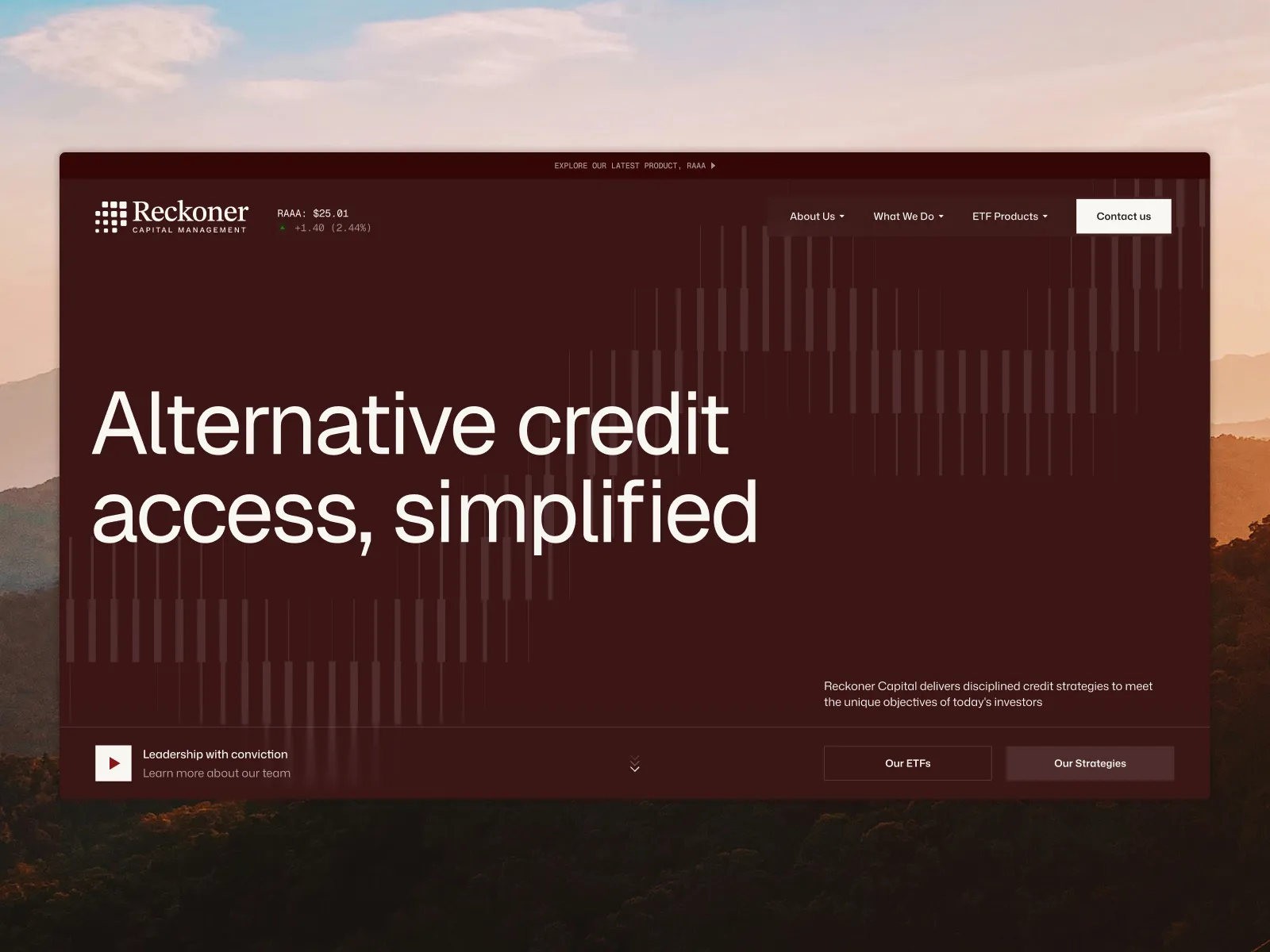
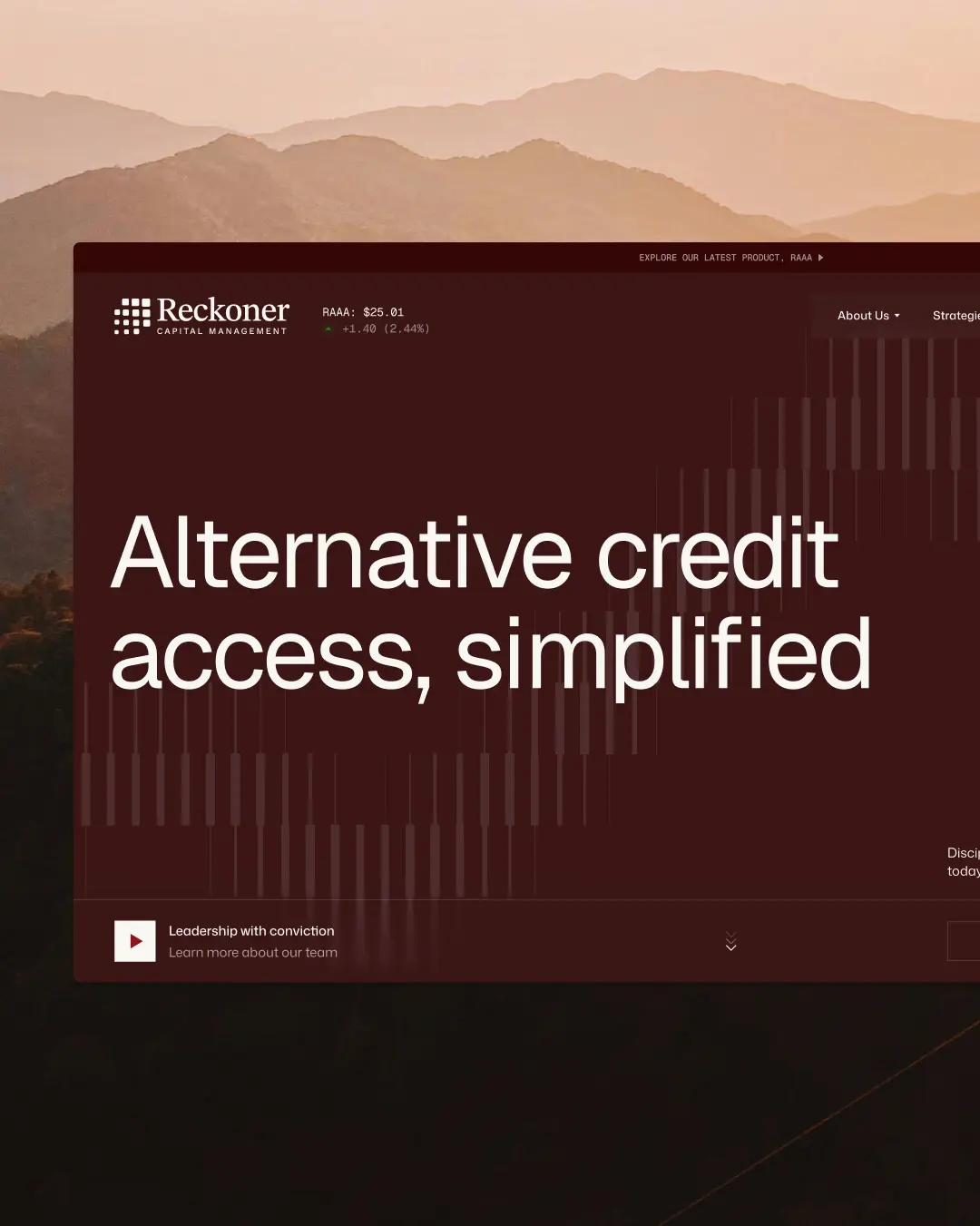
For Reckoner Capital Management, we developed positioning, brand identity, messaging, and a digital platform that helped translate complex investment strategies into a more accessible investor experience.
Different industries. Different audiences. The same fundamental challenge: making a company's value easier to recognize, understand, and believe.
Better B2B Websites Start Before Design
The most effective B2B website redesigns rarely begin with wireframes.
They begin with better questions.
What has changed about the business? What do customers value most? Where does the company have a genuine advantage? What are prospective clients struggling to understand?
The answers inform a coherent strategy connecting brand positioning, messaging, content, design, and technology.
It's this alignment that transforms a website from a digital brochure into a meaningful business asset.
A stronger website doesn't simply describe a company more effectively. It helps the right people understand why that company is the right choice.
Clarity Is the Advantage
The best B2B brands don't necessarily have the simplest offerings. They make complex value feel clear, relevant, and unmistakable.
They know what makes them different. They communicate it with confidence. And they create digital experiences that turn understanding into trust.
At Wolf&Whale, we bring brand strategy, messaging, identity, and digital design together to help companies make those connections.
Because when a business becomes easier to understand, it becomes easier to believe in, easier to remember, and easier to choose.
Change demands clarity.
Recent Ideas
October 28, 2026
The Next Competitive Advantage in Architecture, Engineering & Hospitality
Explore how branding, digital experience, and storytelling are helping architecture, engineering, construction, and hospitality firms stand apart in 2026.
October 26, 2026
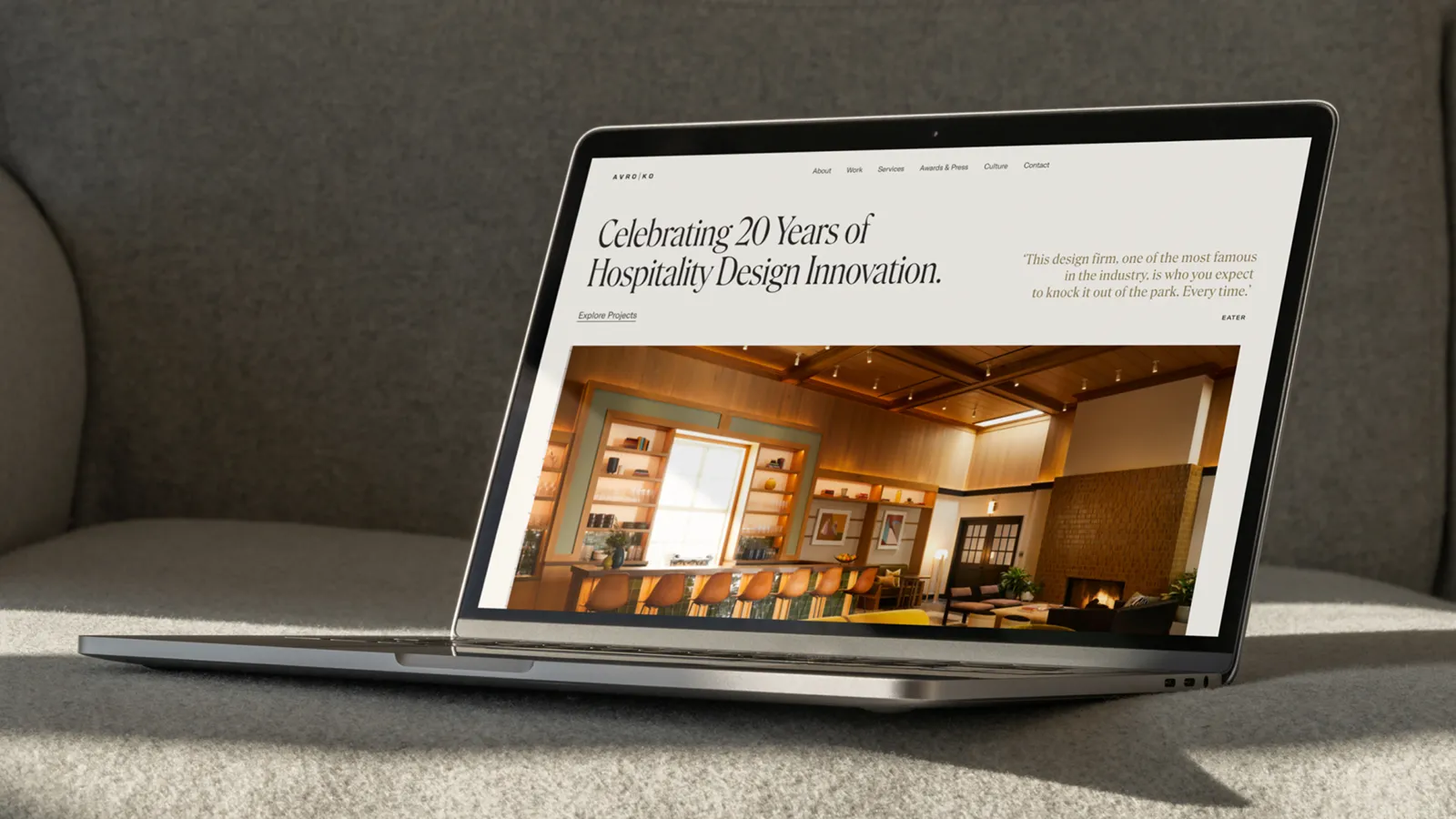
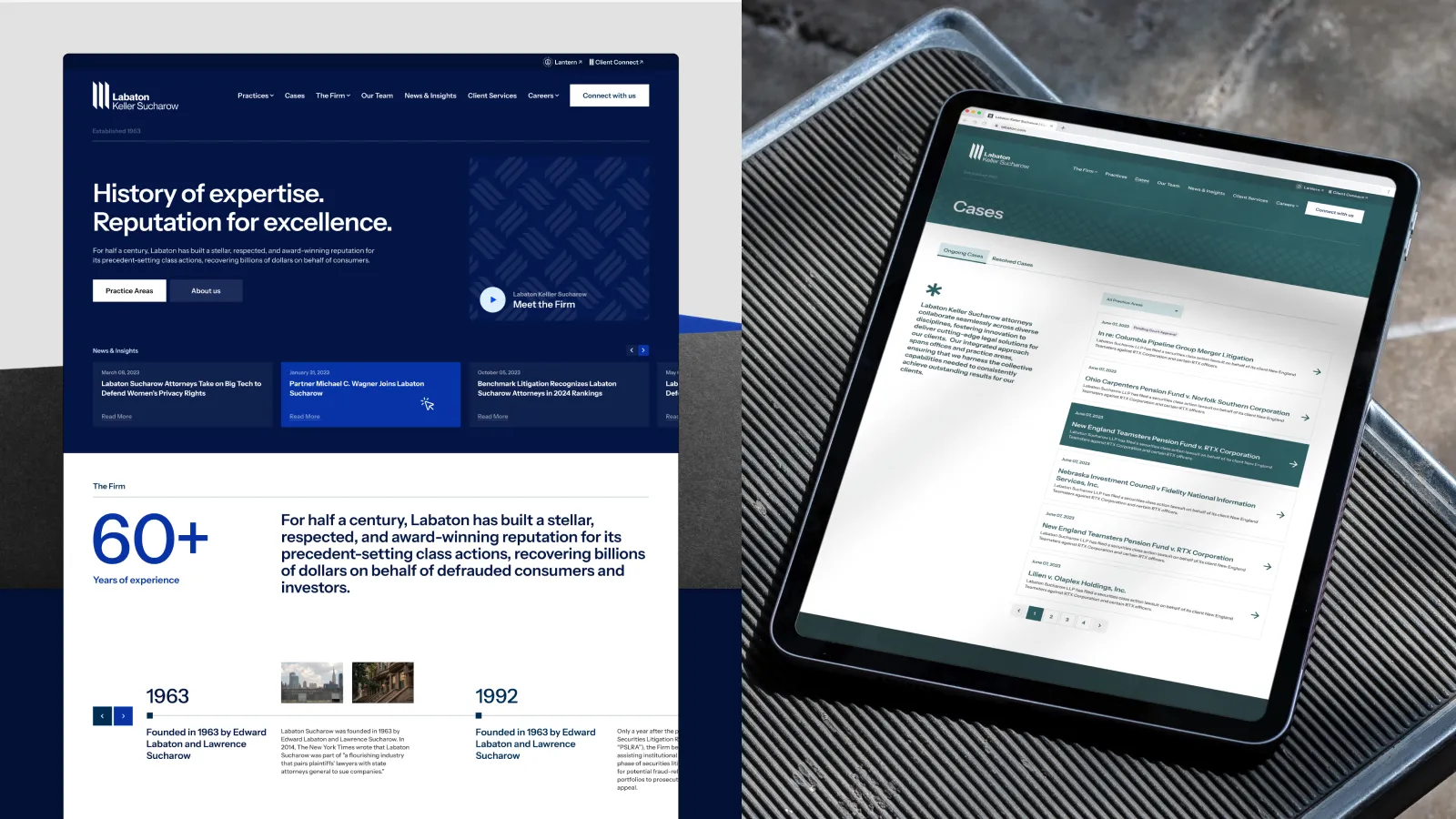
Law Firm Branding and Digital Experience Trends
Law firm branding is evolving as AI changes how clients find and evaluate legal services. Explore why differentiation, trust, and digital experience matter.





Let's make it matter
Tell us what you're working on and what you hope to achieve. We'll take it from there and be in touch within two business days.
Trusted by 120+ Clients since 2018.
Message received
Thanks for reaching out. We’ll review the details and get back to you within two business days.