October 26, 2026
Brand Differentiation in the Age of AI
As AI transforms branding and digital experiences, discover why strategic differentiation, storytelling, and design matter more than ever.

Why Brand Differentiation Matters More in the Age of AI
As technology makes it easier to create, the ability to stand apart becomes more valuable.
The barriers to creating a brand have never been lower.
Artificial intelligence can generate campaigns, write compelling copy, produce visual identities, and accelerate the development of sophisticated digital products. What once required substantial time and resources can increasingly be accomplished in a fraction of both.
But there's a paradox emerging.
As the ability to create becomes more accessible, the ability to create something genuinely distinctive becomes more valuable.
For founders, marketing leaders, and product owners, the challenge is no longer simply producing more. It's giving people a compelling reason to care.
When everyone can create, what makes a brand different?
Technology is changing how businesses communicate, but it hasn't changed the fundamentals of human decision-making.
People still gravitate toward brands they recognize, understand, and trust.
The problem is that many organizations compete through increasingly similar language, aesthetics, and experiences. They promise innovation, simplicity, and exceptional service, yet struggle to articulate what makes their approach meaningfully different.
AI can accelerate this sameness when businesses rely on the same tools, conventions, and inputs to shape their identities.
Effective brand positioning and messaging begins by asking more consequential questions: What can this organization credibly own? What does it understand that others overlook? And why should its audience choose it over the alternatives?
Differentiation isn't about appearing different for its own sake. It's about establishing a competitive advantage people can understand and remember.
Brand storytelling turns capabilities into meaning.
Most businesses are remarkably good at describing what they offer. Far fewer can articulate why it matters.
Features, capabilities, and technical advantages may explain a product, but they rarely create an emotional connection on their own.
Strategic brand storytelling bridges that gap.
It translates complex propositions into narratives that make an organization's value relevant and compelling to its audience.
For Capital Group, Wolf&Whale helped clarify the government consultancy's capabilities through new messaging, a distinctive visual identity, and an elevated digital presence. The objective was not simply to communicate what the firm did, but to express its expertise and ambition in a way that resonated with clients.
Strong storytelling creates the foundation for recognition. Design gives that story a form people can experience.
Your digital experience is proof of your brand promise.
A brand's story cannot end at its website's headline.
Every interaction either reinforces or contradicts the promise an organization makes.
A financial platform positioning itself around transparency must make complex information understandable. A wellness brand promising accessibility should offer an intuitive, welcoming experience. A technology company built around simplicity must deliver a product that genuinely feels simple.
This is where brand identity and UX/UI design become inseparable.
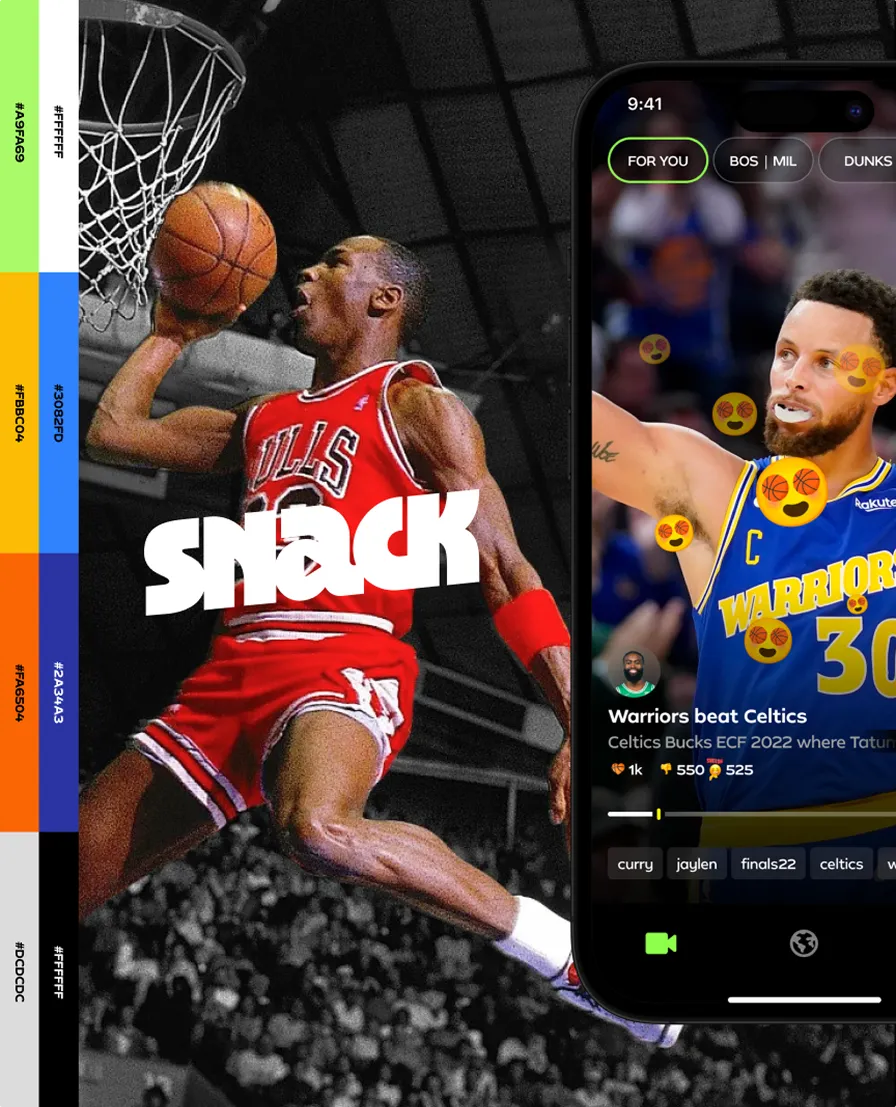
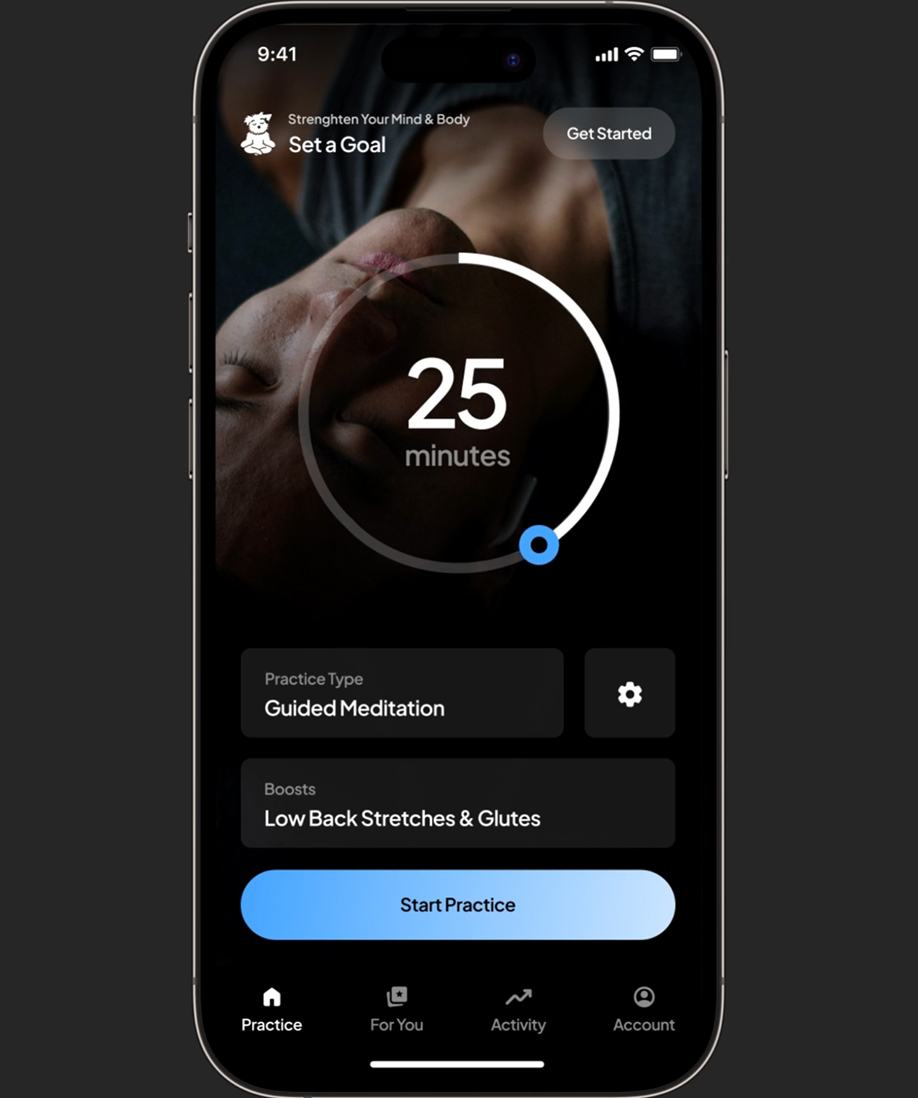
In our work with Down Dog, Wolf&Whale unified a growing ecosystem of wellness applications through a cohesive brand identity and redesigned product experience. The resulting system connected visual storytelling, functionality, and usability across a platform serving millions of users.
The lesson extends well beyond digital products.
A brand earns credibility when the experience fulfills the story.
How can brands build a competitive advantage with AI?
The opportunity isn't to reject artificial intelligence. It's to understand where technology creates efficiency and where human judgment creates value.
AI can accelerate research, experimentation, content production, and design workflows. But tools alone cannot determine which strategic choices are worth making or what an organization should ultimately stand for.
For business leaders, four principles remain essential:
- Define what makes you different. Establish a distinctive position grounded in genuine strengths and audience needs.
- Build a recognizable identity. Create a visual and verbal system that communicates your character consistently.
- Make storytelling tangible. Translate your positioning into compelling digital experiences, products, and communications.
- Design for lasting relevance. Develop a brand system flexible enough to evolve without losing what makes it recognizable.
The objective is not simply to create faster. It's to create with greater purpose.
The future of branding belongs to those with something to say.
Technology will continue to change how brands are built. Creative production will become faster. Digital experiences will grow more sophisticated. The distance between an idea and its execution will continue to shrink.
But speed is not strategy. And abundance is not distinction.
At Wolf&Whale, we believe meaningful brands emerge when strategic clarity, compelling storytelling, and exceptional design work together.
Because when everyone has access to the same tools, competitive advantage comes from something far more difficult to replicate.
A distinctive point of view, brought to life with conviction.
Recent Ideas
October 28, 2026
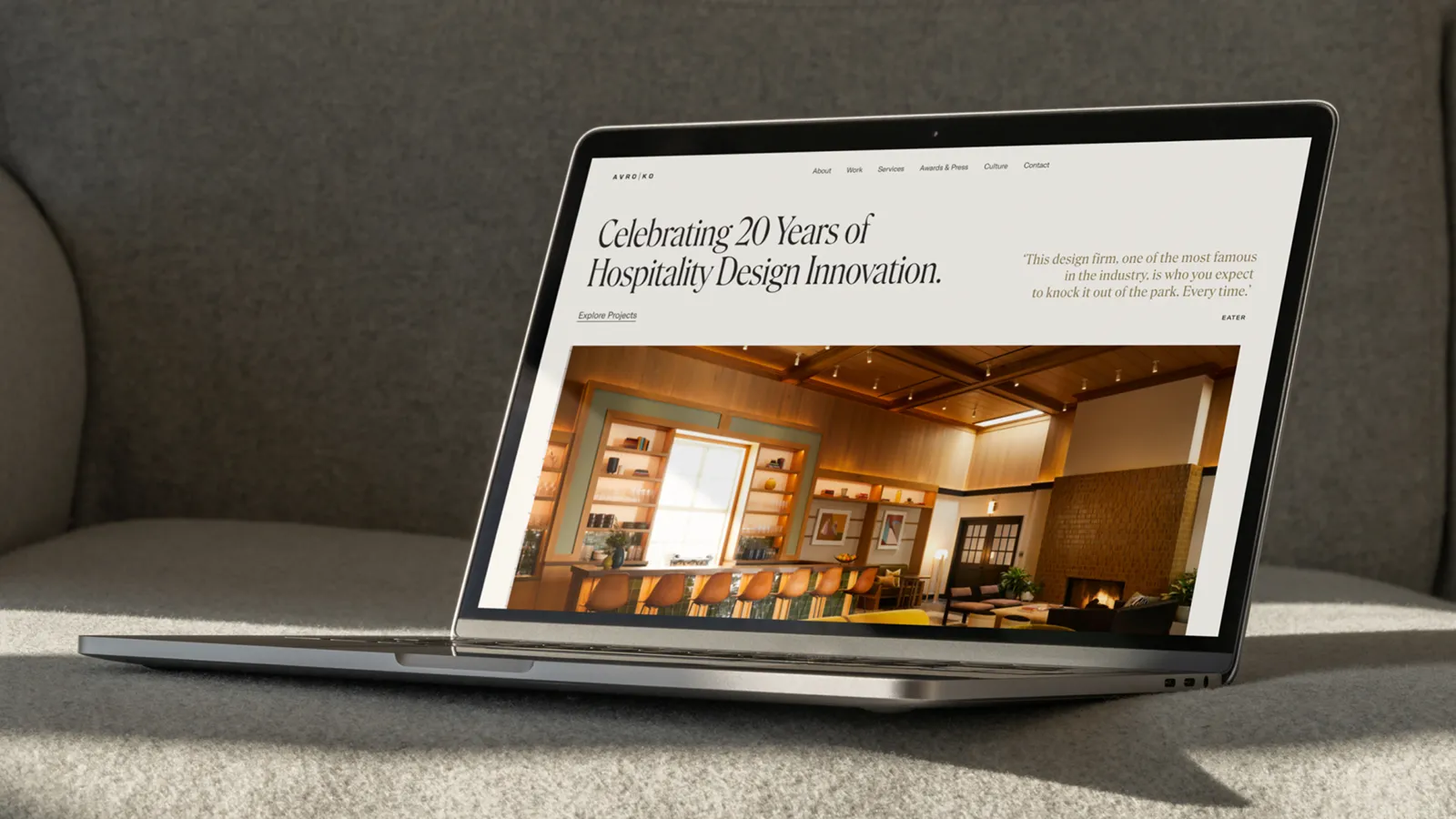
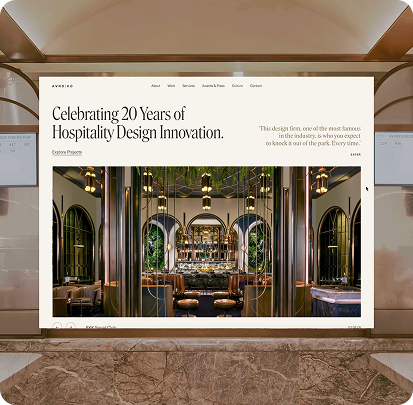
The Next Competitive Advantage in Architecture, Engineering & Hospitality
Explore how branding, digital experience, and storytelling are helping architecture, engineering, construction, and hospitality firms stand apart in 2026.
October 26, 2026
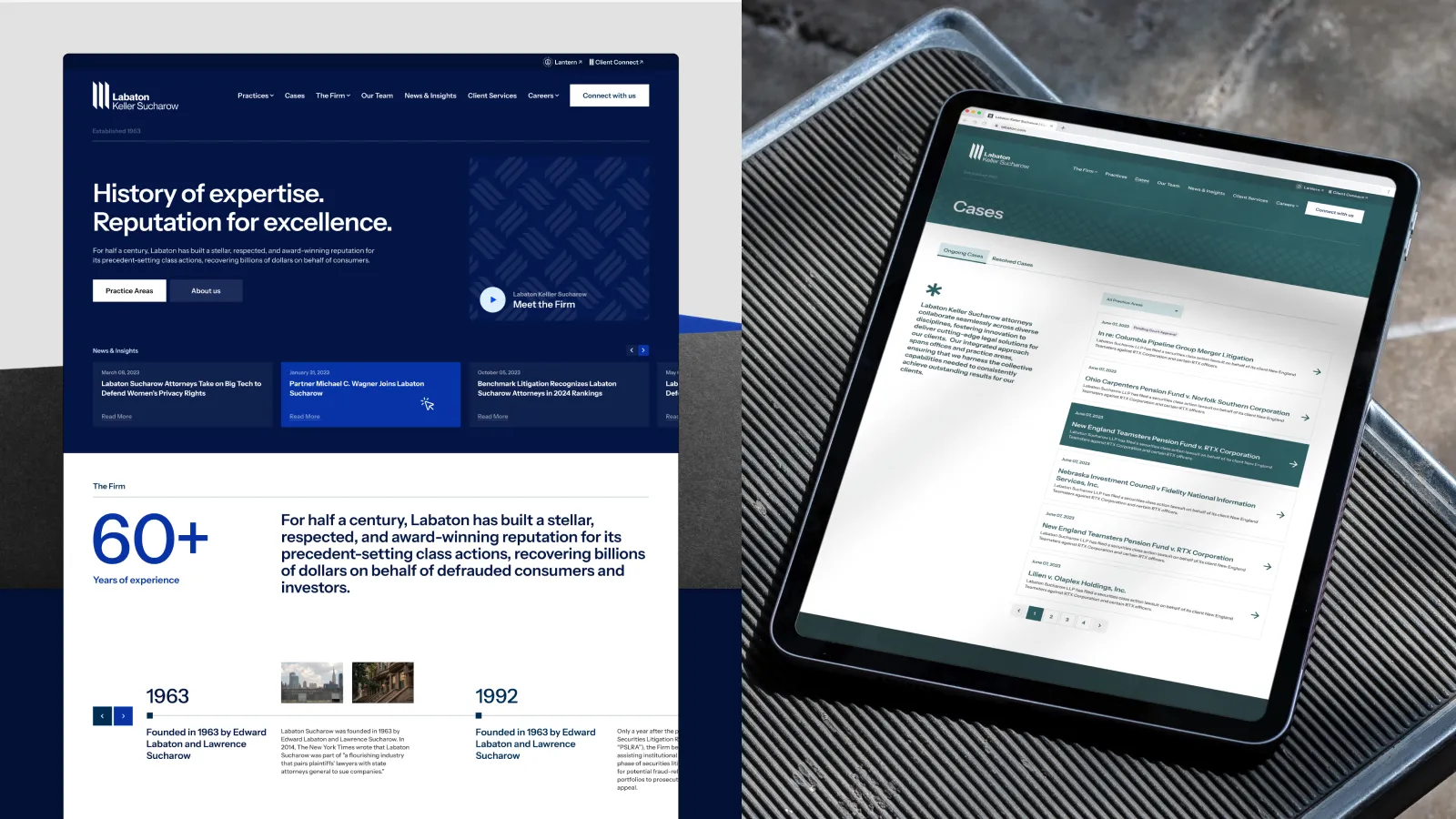
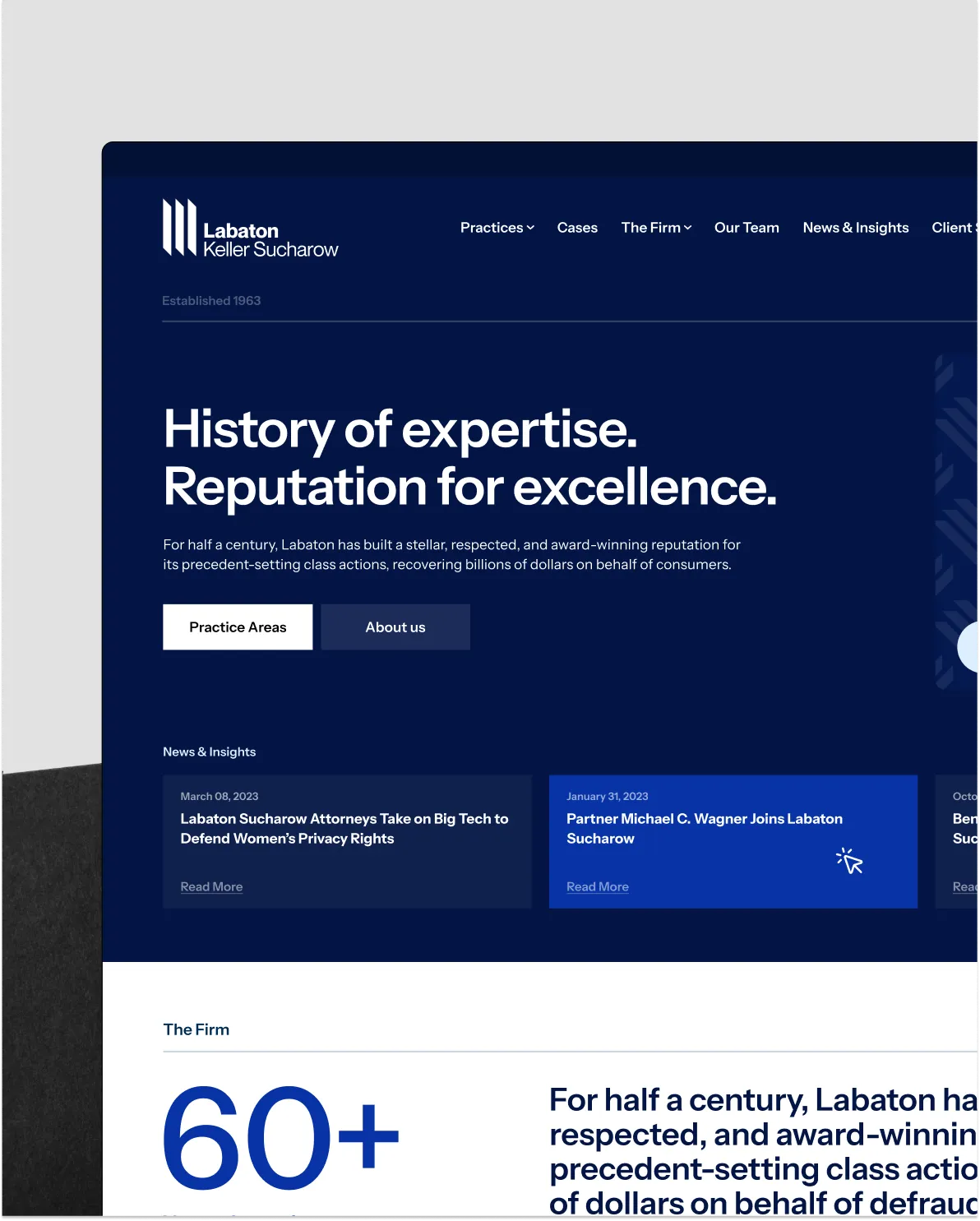
Law Firm Branding and Digital Experience Trends
Law firm branding is evolving as AI changes how clients find and evaluate legal services. Explore why differentiation, trust, and digital experience matter.





Let's make it matter
Tell us what you're working on and what you hope to achieve. We'll take it from there and be in touch within two business days.
Trusted by 120+ Clients since 2018.
Message received
Thanks for reaching out. We’ll review the details and get back to you within two business days.