October 23, 2026
Why Great Brands Begin With Clarity
Discover why strategic clarity is the foundation of effective brand strategy, visual identity, and digital experiences.
The instinct when a business needs to evolve is often to create something new. A new identity. A better website. A more compelling story. A different way to engage customers.
But the most consequential work rarely begins with design. It begins with understanding.
What does the business stand for? Why does it matter? What makes it meaningfully different? And how should that distinction shape everything the world sees and experiences?
These are not simply branding questions. They're business questions.
Clarity is a competitive advantage.
In increasingly crowded markets, differentiation is difficult to establish and even harder to sustain. Products become interchangeable. Competitors adopt similar language. Visual identities begin to resemble one another.
The brands that stand apart aren't necessarily the loudest or most innovative. They're often the ones that understand themselves most clearly.
Effective brand strategy creates alignment between a company's ambitions, its value proposition, and the way it presents itself to the world. It gives organizations a foundation for making better decisions, from positioning and messaging to visual identity and digital experience.
Without that foundation, even exceptional creative work risks becoming decoration.
A brand is a system, not a collection of assets.
A logo doesn't make a brand. Neither does a website, a campaign, or a beautifully designed presentation.
A brand takes shape through the cumulative experience of a business. What it says. How it looks. How its products work. How consistently it delivers on its promises.
This is why brand strategy, identity, and digital design cannot operate effectively in isolation.
Messaging establishes meaning. Identity makes that meaning recognizable. Digital experiences translate it into something people can interact with.
When these disciplines work together, the result becomes more than a cohesive visual system. It becomes a more coherent business.
Change creates an opportunity to redefine value.
Periods of transformation often expose the distance between what a company has become and how the world perceives it.
A growing organization may have outgrown its original positioning. An established business may struggle to articulate its relevance. A new venture may have extraordinary capabilities but no compelling way to communicate them.
In each case, the challenge is not simply to look different. It's to become better understood.
The most successful rebranding and digital transformation initiatives recognize this distinction. They begin by resolving what matters strategically, then use creativity and technology to bring that thinking to life.
The best design makes complexity feel effortless.
Great design is not the absence of complexity. It's the ability to make complex ideas intuitive, compelling, and unmistakably clear.
That requires more than aesthetic judgment. It demands curiosity, intelligence, restraint, and an understanding of how people think and behave.
At Wolf&Whale, we approach brand strategy, identity, and digital experiences as interconnected expressions of a single idea. Our work brings strategic thinking and creative execution together to help organizations navigate change, communicate their value, and create meaningful connections with their audiences.
Because the purpose of great design isn't simply to make something look extraordinary.
It's to make what matters impossible to misunderstand.
Recent Ideas
October 28, 2026
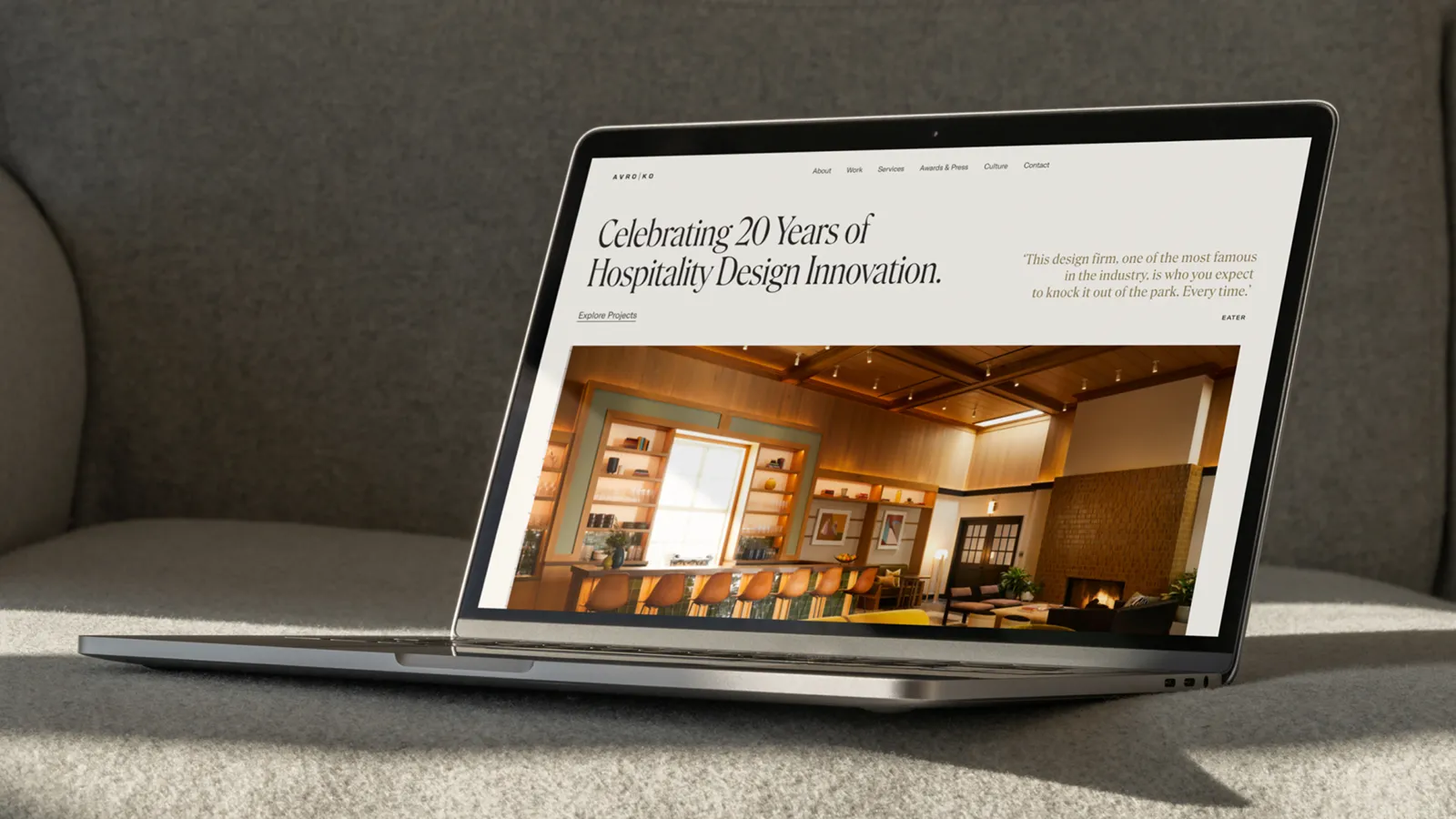
The Next Competitive Advantage in Architecture, Engineering & Hospitality
Explore how branding, digital experience, and storytelling are helping architecture, engineering, construction, and hospitality firms stand apart in 2026.
October 26, 2026
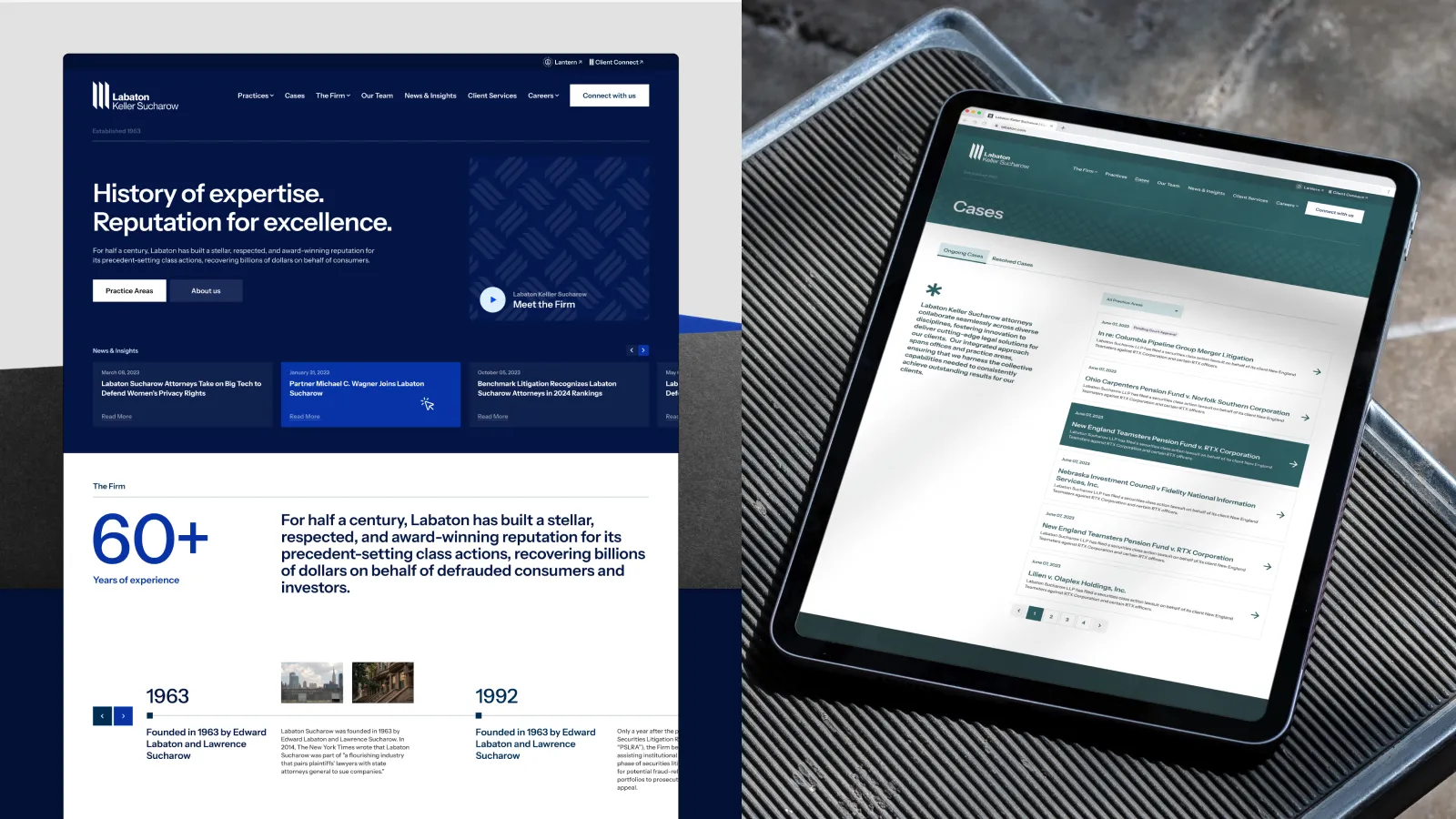
Law Firm Branding and Digital Experience Trends
Law firm branding is evolving as AI changes how clients find and evaluate legal services. Explore why differentiation, trust, and digital experience matter.








Let's make it matter
Tell us what you're working on and what you hope to achieve. We'll take it from there and be in touch within two business days.
Trusted by 120+ Clients since 2018.
Message received
Thanks for reaching out. We’ll review the details and get back to you within two business days.