October 23, 2026
When Is It Time to Rebrand? The Signs Your Business Has Outgrown Its Identity.
When should a company rebrand? Explore four signs your business has outgrown its brand identity and when a strategic rebrand makes sense.

Businesses evolve. Markets shift. Ambitions grow. But the brands representing those businesses don't always keep pace.
What once felt distinctive can become familiar. Messaging that once captured a company's value may no longer reflect its capabilities. An identity built for a smaller organization can struggle to represent the business it has become.
These moments raise an important question: Is it time to rebrand?
The answer rarely comes down to aesthetics alone.
What are the signs a company needs to rebrand?
A successful rebrand should resolve a meaningful business challenge, not simply satisfy a desire for something new.
Several signals suggest a company's brand may no longer be serving its ambitions.
1. Your business has evolved, but your brand hasn't.
Companies expand into new markets, introduce new services, and pursue more sophisticated audiences. Yet their positioning, messaging, and visual identities often remain anchored to an earlier stage of growth.
When the brand no longer reflects the scale or direction of the business, it can undermine how the organization is perceived.
2. Your differentiation has become difficult to articulate.
If your competitors could replace your name with theirs and make essentially the same claims, your positioning may not be distinctive enough.
Effective brand strategy and messaging identifies what makes a business meaningfully different and translates that advantage into language and experiences people understand.
3. Your identity no longer reflects your value.
Perception influences opportunity. An outdated or inconsistent visual identity can create a disconnect between the quality of an organization's capabilities and the way the market evaluates them.
Sophisticated brand identity design helps close that gap, communicating credibility, confidence, and relevance before a conversation even begins.
4. Your brand lacks consistency across experiences.
As organizations grow, their communications often become fragmented. Websites, presentations, marketing materials, and digital products begin to tell slightly different stories.
A cohesive brand system creates consistency without sacrificing flexibility, allowing organizations to communicate with greater clarity across every touchpoint.
Rebrand or refresh: What's the difference?
Not every business needs a complete transformation.
A brand refresh evolves an existing visual or verbal identity while preserving its core positioning and recognizable assets. It's often appropriate when a brand's foundations remain relevant but its execution needs refinement.
A rebrand goes deeper. It can involve reconsidering market positioning, brand strategy, messaging, visual identity, and the digital experiences that communicate the organization's value.
The distinction is important. Changing how a company looks will accomplish little if the underlying challenge is how the company is understood.
Consider Capital Group's brand transformation, where Wolf&Whale helped the Washington, D.C. consultancy clarify its messaging, establish a distinctive visual identity, and create a digital presence that better communicated its capabilities and ambitions.
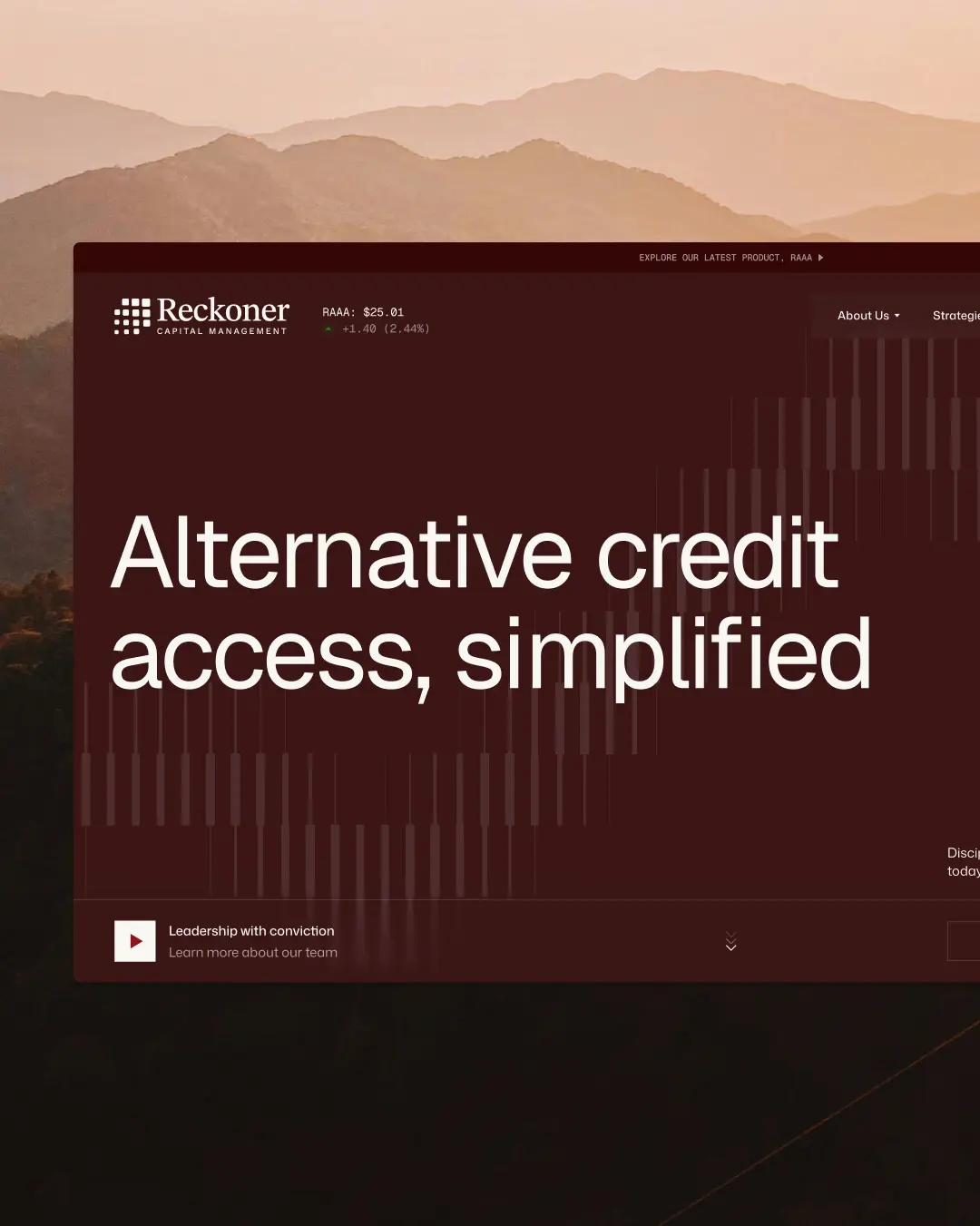
Similarly, our work with Reckoner Capital Management brought positioning, brand identity, and digital design together to support the firm's launch and the introduction of its publicly traded ETFs.
In both cases, design became an expression of a larger strategic ambition.
The greatest risk isn't changing. It's becoming irrelevant.
Established brands often hesitate to evolve because recognition and familiarity carry value.
That caution is justified. Effective rebranding shouldn't discard years of accumulated brand equity without a compelling reason.
But preserving familiarity at the expense of relevance carries its own risks.
The objective isn't to become unrecognizable. It's to ensure the brand continues to express what makes the organization valuable, distinctive, and worth choosing.
At Wolf&Whale, we see rebranding as an opportunity to align business ambition with market perception. By bringing brand strategy, messaging, visual identity, and digital design together, we help organizations translate change into a more compelling expression of who they are and where they're going.
Because the most effective rebrands don't simply introduce a new identity.
They give the world a new reason to believe.
Recent Ideas
October 28, 2026
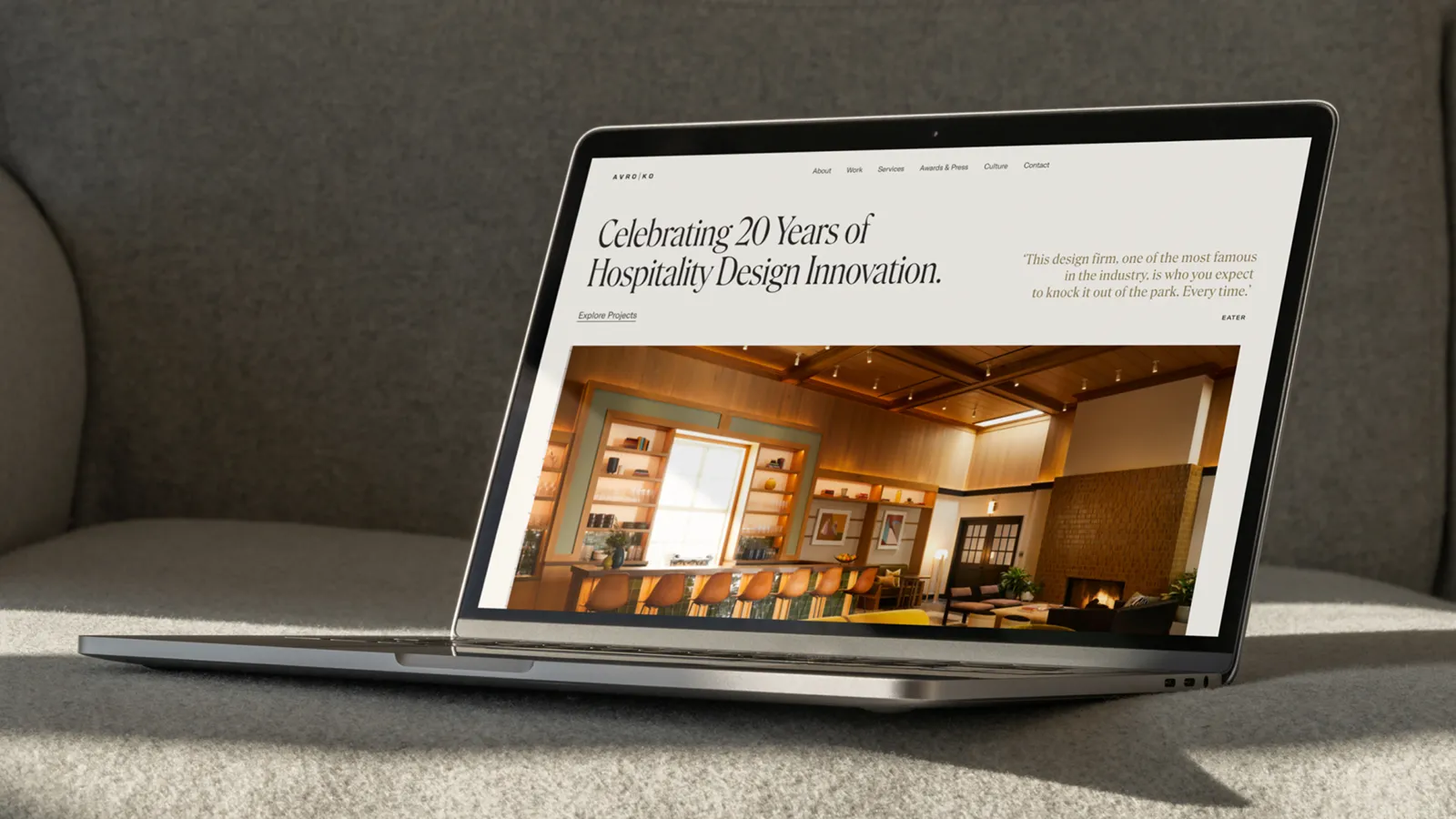
The Next Competitive Advantage in Architecture, Engineering & Hospitality
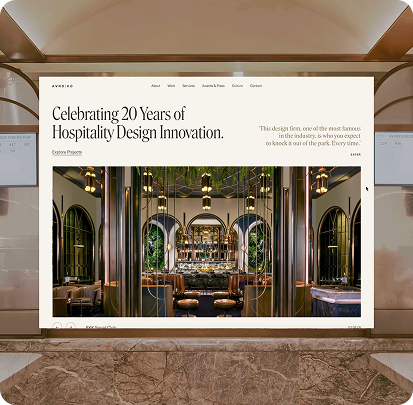
Explore how branding, digital experience, and storytelling are helping architecture, engineering, construction, and hospitality firms stand apart in 2026.
October 26, 2026
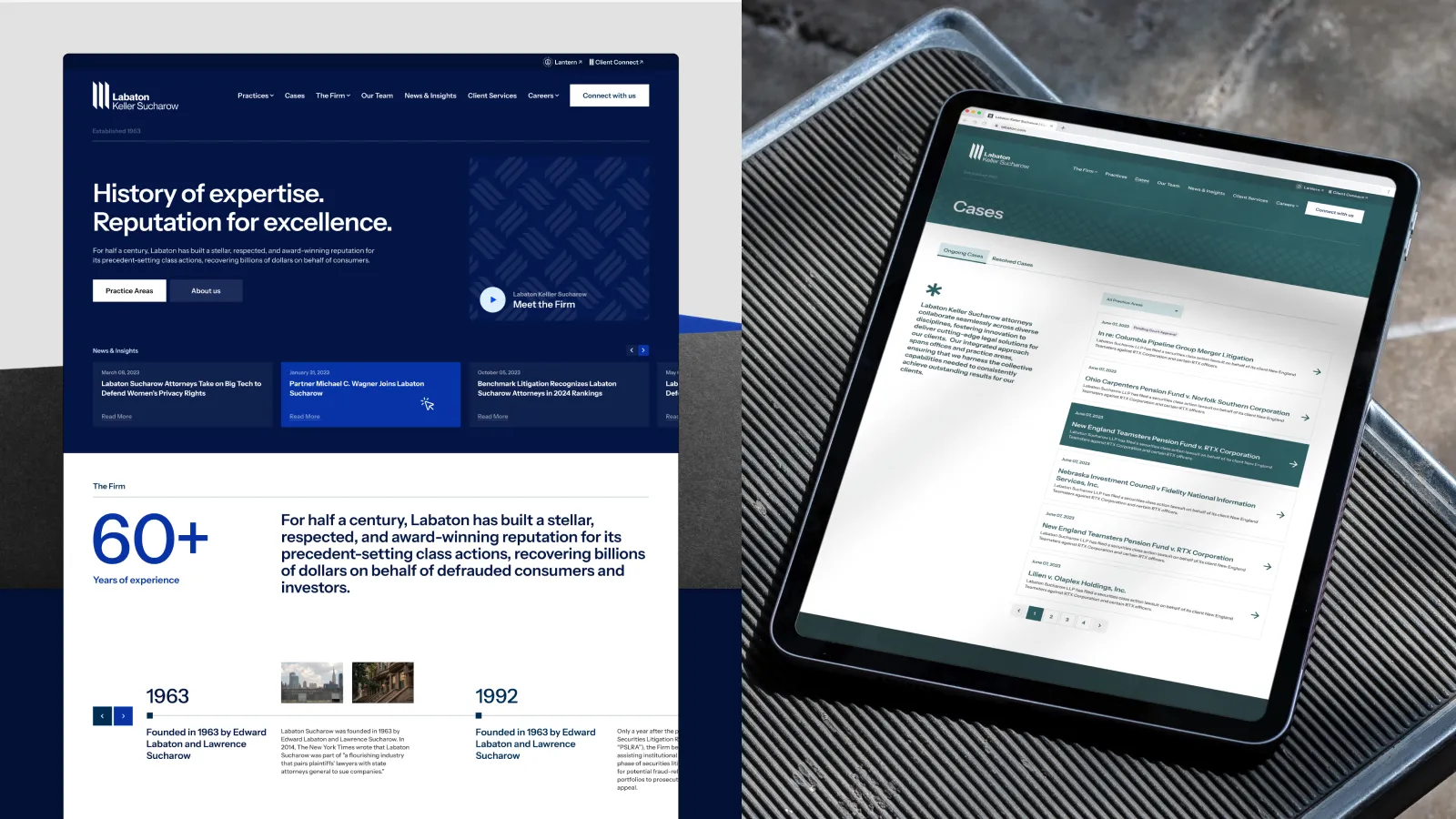
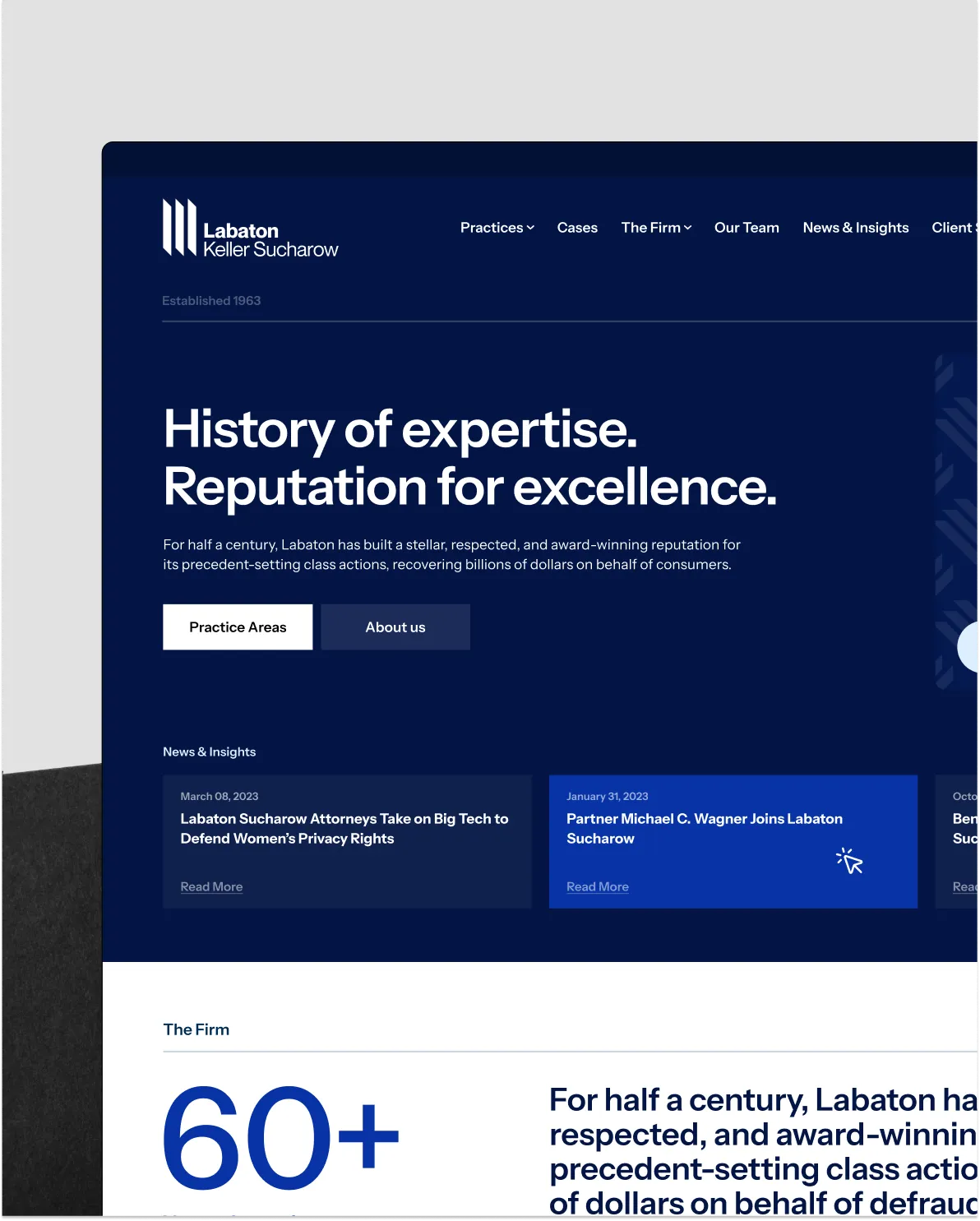
Law Firm Branding and Digital Experience Trends
Law firm branding is evolving as AI changes how clients find and evaluate legal services. Explore why differentiation, trust, and digital experience matter.











Let's make it matter
Tell us what you're working on and what you hope to achieve. We'll take it from there and be in touch within two business days.
Trusted by 120+ Clients since 2018.
Message received
Thanks for reaching out. We’ll review the details and get back to you within two business days.